2026 Top 3 Axis Force Sensor Best Options for Global Buyers?
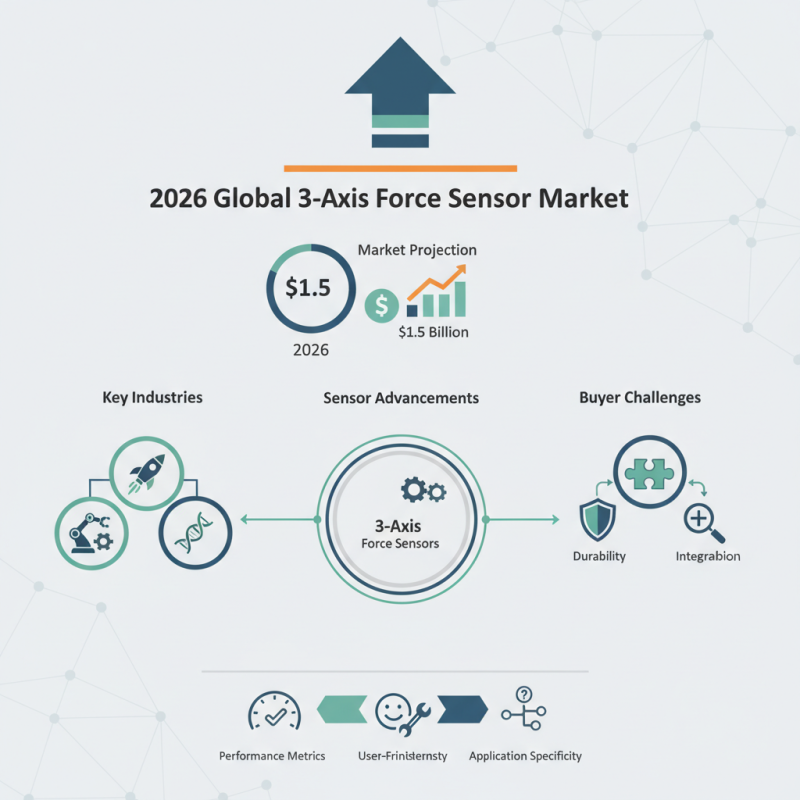
The demand for 3-Axis Force Sensors has surged globally, driven by advancements in various industries. According to industry reports, the market for these sensors is projected to reach $1.5 billion by 2026. Their precision and versatility in measuring force along three axes make them crucial in sectors such as robotics, aerospace, and biomedical engineering.
Leading manufacturers have innovated to enhance sensor accuracy and durability. This trend reflects a growing need among global buyers for reliable sensing solutions. Yet, the challenge remains in ensuring product compatibility and integration into existing technologies. There’s a learning curve for many companies in selecting the right sensor model to meet their specific requirements.
As we explore the top options for 2026, it’s essential to consider factors such as performance metrics and user-friendliness. While some products excel in certain applications, they may fall short in others. This variability prompts a deeper evaluation of the best choices for different scenarios in the market today.
Key Features of Top Axis Force Sensors in 2026
When selecting axis force sensors for 2026, understanding key features is crucial. These sensors must provide high precision and reliability. Accuracy in measurement is essential across various applications. Look for sensors that offer low noise levels. This reduces uncertainties in readings, especially for sensitive tasks.
Calibration is another important feature. Sensors should be easy to calibrate, ensuring precise long-term performance. Users often struggle with complicated calibration processes. Choosing a sensor with a straightforward approach can save time and frustration in the long run.
For industry buyers, consider mechanical stability. A robust design can significantly enhance sensor longevity. Sensors should withstand harsh environments, making durability a key factor. Watching out for environmental ratings can guide your choice, ensuring sensors perform well even in challenging conditions.
Tips: Always check for compatibility with your current systems. A well-matched sensor will enhance overall efficiency. Seek products with comprehensive user support. Proper guidance can ease the integration process, helping you avoid potential pitfalls.
Comparison of Performance Metrics for Leading Sensors
When evaluating the top 3 axis force sensors for global buyers in 2026, performance metrics are essential. Key attributes include sensitivity, accuracy, and temperature stability. According to industry reports, sensitivity ratings often range from 0.5% to 2%, depending on the sensor type. Accuracy plays a critical role; many sensors claim an accuracy of ±0.1%. However, real-world calibration can sometimes reveal inconsistencies.
Temperature stability is another aspect to consider. A sensor’s performance may degrade beyond specified temperature ranges. Reports indicate that fluctuations of just a few degrees can affect measurements. Buyers should note these factors when choosing the right sensor.
Tips: Always review multiple product specifications before making a decision. Look for user reviews and case studies. These insights can often reveal hidden issues. When testing sensors, consider environmental conditions that may impact performance. Some users may overlook this, leading to inaccurate data. Remember, not all sensors can deliver the promised performance in all situations.
2026 Top 3 Axis Force Sensor Best Options for Global Buyers
| Sensor Model |
Measurement Range (N) |
Sensitivity (mV/N) |
Linearity (%) |
Temperature Range (°C) |
Price (USD) |
| Model A |
0 - 1000 |
1.0 |
0.5 |
-20 to 80 |
150 |
| Model B |
0 - 500 |
2.5 |
0.3 |
-10 to 70 |
200 |
| Model C |
0 - 2000 |
0.8 |
0.4 |
-30 to 90 |
180 |
Analysis of Pricing Strategies for Global Buyers
When considering the best options for a 3-axis force sensor in 2026, pricing strategies play a crucial role for global buyers. Understanding the market dynamics is essential. Prices often vary based on features and technology. Buyers must analyze functionality versus cost. A high-end sensor may offer advanced metrics but at a premium. On the other hand, budget sensors might miss key features.
Global buyers should evaluate local market conditions. Shipping costs can influence overall expenses. This is especially true in remote regions. Suppliers may offer competitive rates in certain areas. However, lower prices can indicate compromises in quality. It’s essential to weigh the pros and cons of each option.
Buyers may also need to consider future needs. A sensor meeting current requirements may not suffice later. Investing in more adaptable technology could prove beneficial. It’s a balancing act between initial costs and long-term value. Flexibility in design can enhance performance across various applications. Buyers should remain open to new developments in sensor technology.
2026 Top 3 Axis Force Sensor Pricing Analysis
This chart illustrates the average pricing of the top three axis force sensors for global buyers in 2026. Sensor A is the highest priced, followed by Sensor B and Sensor C, highlighting key pricing strategies in the industry.
Market Trends Influencing Axis Force Sensor Selection
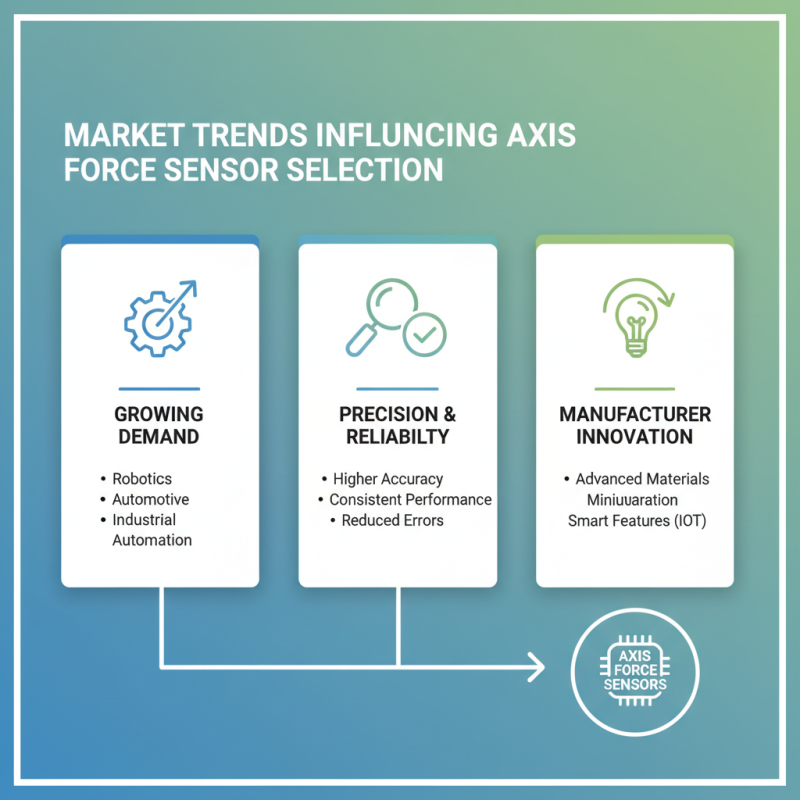
The global market for axis force sensors is evolving rapidly. Key trends are shaping how engineers and buyers approach their selections. One significant factor is the growing demand for precise measurements in various industries like robotics and automotive. Customers are increasingly looking for sensors that offer higher accuracy and reliability. This shift in focus ensures that manufacturers are under pressure to innovate.
Another trend is the need for compact, lightweight designs. As industries push for efficiency, the design of axis force sensors is becoming more streamlined. This not only saves space but also enhances the overall functionality of machines. However, buyers must be cautious. Not all manufacturers maintain the same quality standards. It's essential to do thorough research.
Sustainability is a rising concern, influencing buying decisions. Eco-friendly production methods are becoming more important. Many buyers are seeking sensors produced with sustainable materials. This reflects a more conscious market. Nonetheless, the balance between sustainability and performance can pose challenges. Each choice may have compromises, and not every buyer is fully aware of this complexity. Understanding these trends is vital for making informed decisions in this competitive space.
Customer Reviews and Feedback on 2026's Best Sensors
When selecting a 3 axis force sensor, customer feedback is vital. Buyers often share insights on sensor accuracy and durability. Many appreciate long-term performance in various environments. However, not all sensors perform equally. Some users report calibration issues that can create inconsistencies. Gathering honest reviews allows potential buyers to make better decisions.
Tips for choosing a sensor include evaluating its specifications against your needs. Check for user reviews that mention installation experiences. This often reveals how intuitive the setup is, a critical factor for many.
Look for sensors with robust customer support. Feedback regarding after-sales service is essential. If issues arise, reliable customer support can significantly reduce frustration.
User experiences highlight the importance of real-world testing. Performance in controlled environments may not reflect practical use. Some users noticed variations in readings during dynamic applications. This inconsistency raises questions about the sensor's reliability in specific conditions. Weighing such opinions helps buyers become informed about the risks involved.

 sales@loadcellsensor.com