Leave Your Message
banner_21

Top 10 Benefits of Using Multi Axis Load Cell in Industrial Applications?

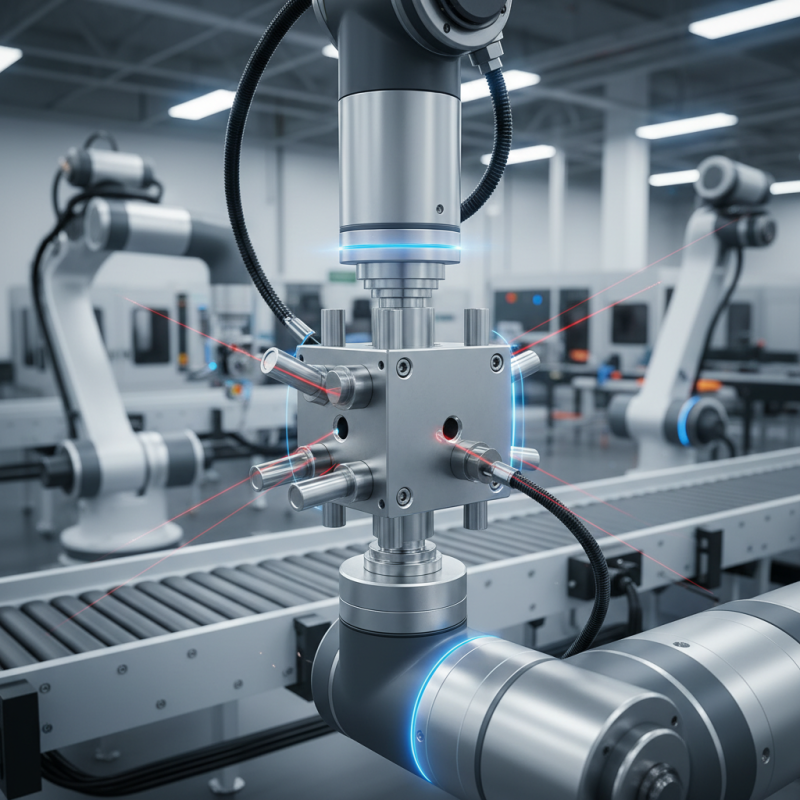
In modern industrial applications, precision and reliability are paramount. The Multi-Axis Load Cell stands out as a crucial technology that addresses these needs. This innovative device measures forces along multiple axes with unmatched accuracy. Industries such as manufacturing, aerospace, and robotics are increasingly relying on this technology.

The versatility of the Multi-Axis Load Cell allows for detailed analysis of multi-directional forces. It enhances safety by providing real-time data, which minimizes the risk of errors. One major advantage is its compact design, which simplifies installation in tight spaces. However, not all setups can fully benefit from its capabilities.

Introducing this advanced equipment requires careful consideration of specific conditions within your application. Understanding how to integrate it effectively can be challenging. Users must reflect on whether their current systems are ready for such modernization. Ultimately, the Multi-Axis Load Cell represents both innovation and complexity in the quest for operational excellence.
Top 10 Benefits of Using Multi Axis Load Cell in Industrial Applications?

Multi Axis Load Cell Overview and Its Role in Industry
Top 10 Benefits of Using Multi Axis Load Cell in Industrial Applications?

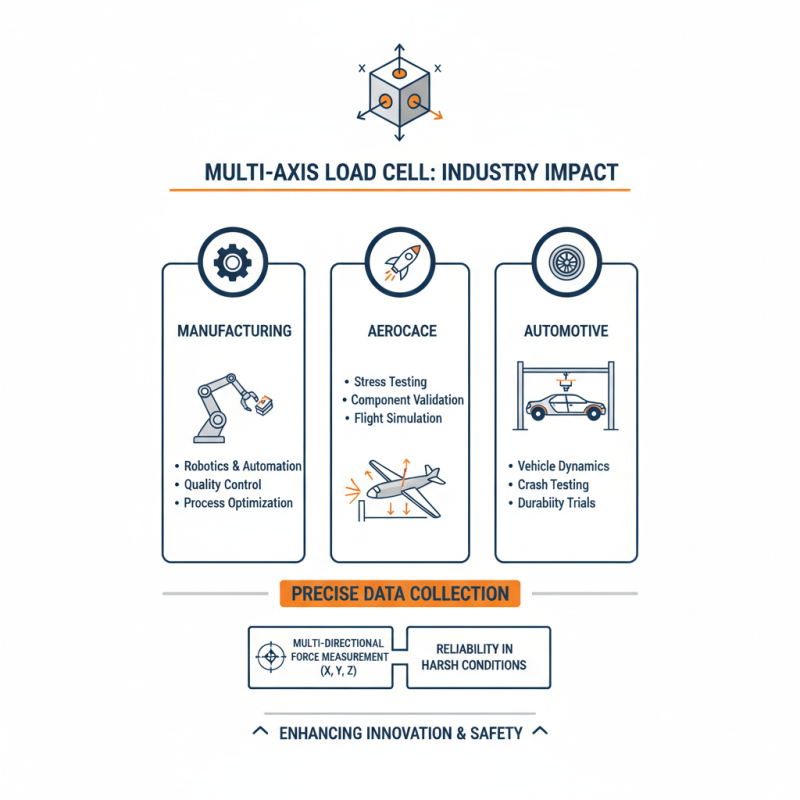
Multi axis load cells play a crucial role in various industrial applications. Their ability to measure forces in multiple directions enhances precise data collection. In settings such as manufacturing, aerospace, and automotive, effective load measurement is vital. These sensors provide reliable performance and can operate under harsh conditions.

Industries leverage multi axis load cells for enhanced accuracy. They help in stress analysis and structural testing. These measurements allow engineers to make informed decisions. However, the complexity of integrating these load cells into existing systems can pose challenges. Proper calibration and maintenance are necessary to ensure optimal function.

In addition, the cost of multi axis load cells may be higher than traditional options. Organizations should weigh the investment against potential benefits in precision. With the right implementation, they can significantly improve operational efficiency and safety. The right choice can lead to better overall performance and quality in various industrial processes.

Enhanced Measurement Accuracy with Multi Axis Load Cells

Multi-axis load cells are revolutionizing industrial measurement processes. These devices improve measurement accuracy significantly, addressing a common challenge faced in multidimensional applications. According to a report by the International Society of Automation, conventional single-axis load cells often suffer from misalignment and external factors, leading to errors of up to 2%. Multi-axis load cells reduce these errors, achieving precision within 0.1%-0.5%.

One of the primary advantages of multi-axis load cells is their ability to measure multiple forces simultaneously. This functionality is crucial in applications like robotics and material testing, where several variables impact performance. For instance, a study published in the Journal of Manufacturing Science highlights that using multi-axis load cells can enhance data reliability in torque and force applications by over 30%. Such improvements can lead to better product quality and efficiency in production lines.

Moreover, the complexity of industrial processes often introduces variables that complicate measurements. Each additional factor can potentially skew results. Multi-axis load cells help mitigate these issues by providing comprehensive data profiles. However, their installation requires expertise to fully capitalize on their capabilities. Improper setup can still lead to measurement uncertainties, emphasizing the importance of professional knowledge in utilizing these advanced tools effectively.

Improving Process Efficiency through Multi Axis Load Cell Integration

The integration of multi axis load cells significantly enhances process efficiency in various industrial applications. These advanced sensors measure force and weight in multiple directions simultaneously. This capability leads to more accurate readings, which minimize errors in data collection. Industries such as manufacturing and automation benefit greatly from precise measurements.

By implementing these load cells, companies can optimize their operations. They can monitor equipment performance and ensure safety protocols are followed. With real-time data, adjustments can be made quickly, preventing costly downtime. However, the learning curve for operators can be steep. Understanding and interpreting the data requires training and experience.

Moreover, while multi axis load cells improve overall performance, they may not be the best solution for every scenario. Some applications might still benefit from traditional load cells. A thorough analysis is essential before transitioning to a more complex system. Balancing innovation with practicality is crucial for genuine improvements in industrial efficiency.

Cost-Effectiveness of Multi Axis Load Cells in Industrial Applications

Multi-axis load cells have gained popularity in various industrial applications. Their cost-effectiveness stands out, especially for companies looking to enhance operations without overspending. These devices can measure multiple forces and moments simultaneously. This functionality reduces the need for multiple sensors, saving on initial costs and installation time.

Maintenance costs are also lower. Multi-axis load cells typically have a longer lifespan due to their robust design. The durability means fewer replacements in the long run. However, choosing the right load cell is critical. Not all multi-axis load cells perform the same across different applications. This requires careful consideration and testing to ensure reliability.

Additionally, companies need to assess the training required for staff. Implementing new technology can create initial barriers. Training may involve costs and time delays. It's essential to weigh these against the long-term benefits. Overall, a thoughtful approach to integrating multi-axis load cells can yield significant savings in many industrial settings.

Real-World Case Studies Demonstrating Multi Axis Load Cell Benefits

Multi-axis load cells are becoming essential in various industrial applications. They offer remarkable advantages that are increasingly evident through real-world case studies. A recent report from an industrial automation journal indicates that companies using multi-axis load cells have observed a reduction in operational error rates by up to 25%. For instance, a packaging facility integrated these devices into their systems. They saw significant improvements in accuracy during multi-directional load measurements, ensuring product consistency and minimizing waste.

In another case, a leading aerospace manufacturing unit implemented multi-axis load cells to monitor assembly forces. This integration led to a 30% decrease in assembly time. Operators reported that having precise load data in multiple axes helped identify inconsistencies in their processes. This capability is invaluable in high-stakes environments where precision is critical.

Tips: Regular calibration of load cells can enhance their performance. Always analyze data trends for potential improvements. A more thorough understanding of load dynamics may reveal gaps needing attention. Embracing this technology can propel industrial efficiency, but a commitment to ongoing data analysis is crucial. By focusing on these factors, businesses can leverage the full potential of multi-axis load cells.

Top 10 Benefits of Using Multi Axis Load Cell in Industrial Applications

Benefit Description Real-World Application
Enhanced Precision Allows for accurate measurements in multiple directions, reducing systemic errors. Used in robotics for precise positioning.
Space Efficiency Combines multiple sensors into a single device, saving space and installation time. Implemented in compact machinery setups in manufacturing lines.
Dynamic Load Measurement Effectively measures loads that change over time, enhancing monitoring capabilities. Used in automotive testing for shock absorber performance.
Multi-Directional Measurement Can measure forces applied in multiple axes simultaneously. Applied in load testing of cranes.
Improved Data Analysis Provides comprehensive data for better analytics and machine learning. Utilized in smart factories for predictive maintenance.
High Stiffness Offers robustness under high load conditions, reducing drift in readings. Used in heavy machinery load assessments.
Versatile Applications Suitable for a wide range of industries and applications. Employed in sectors from pharmaceuticals to aerospace.
User-Friendly Interface Easy integration with existing systems and software for real-time monitoring. Integrated into control systems in food packaging lines.
Cost-Effectiveness Reduced costs through combining multiple measurements into one unit. Used extensively in construction to monitor structural stress.
Long-Term Reliability Built to perform consistently over extended periods, minimizing maintenance needs. Utilized in water treatment facilities for ongoing load monitoring.