2026 Best Dynamic Torque Sensor Features and Benefits Explained?
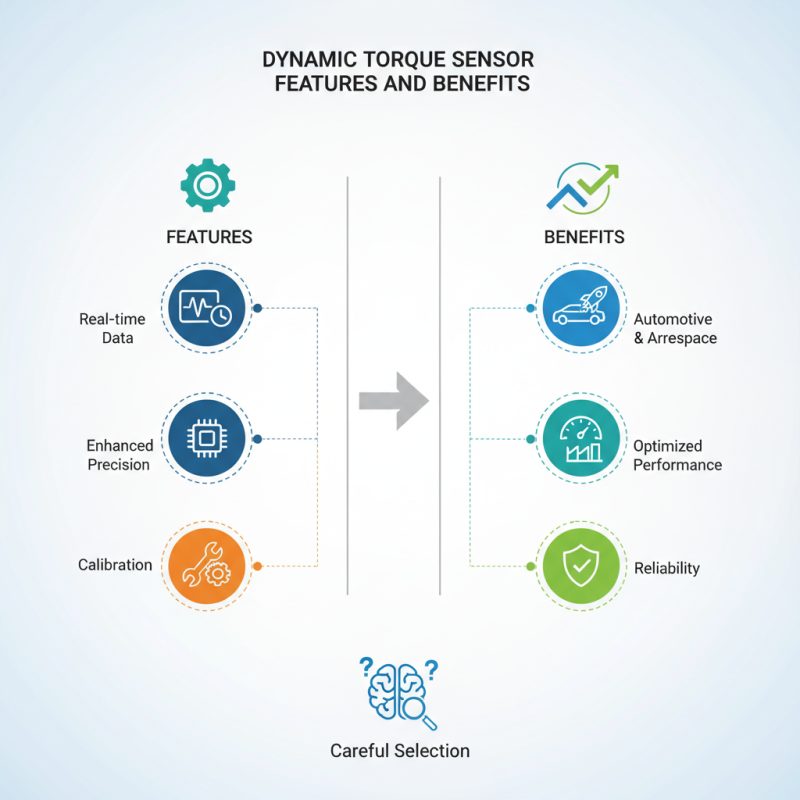
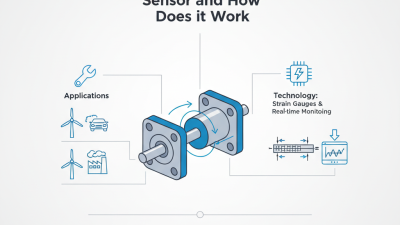
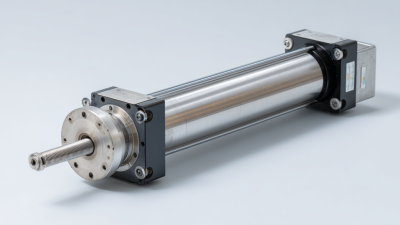
In today's industrial landscape, accurate measurement of torque is crucial. A Dynamic Torque Sensor plays a significant role in various applications. These sensors offer real-time data, essential for optimizing performance. Industries like automotive and aerospace rely on them heavily.
Understanding the features and benefits of a Dynamic Torque Sensor can drive improvements. These sensors enhance precision, ensuring machines run smoothly. However, ongoing calibration is necessary for optimal results. Users must reflect on their measurement needs to choose the right sensor.
Moreover, not all sensors deliver the same performance. Some may disappoint in high-stress conditions. It's vital to assess reliability before integrating any sensor into a system. The impact of a dynamic torque sensor can be profound, but users must approach the selection process with care.
Overview of Dynamic Torque Sensors and Their Applications
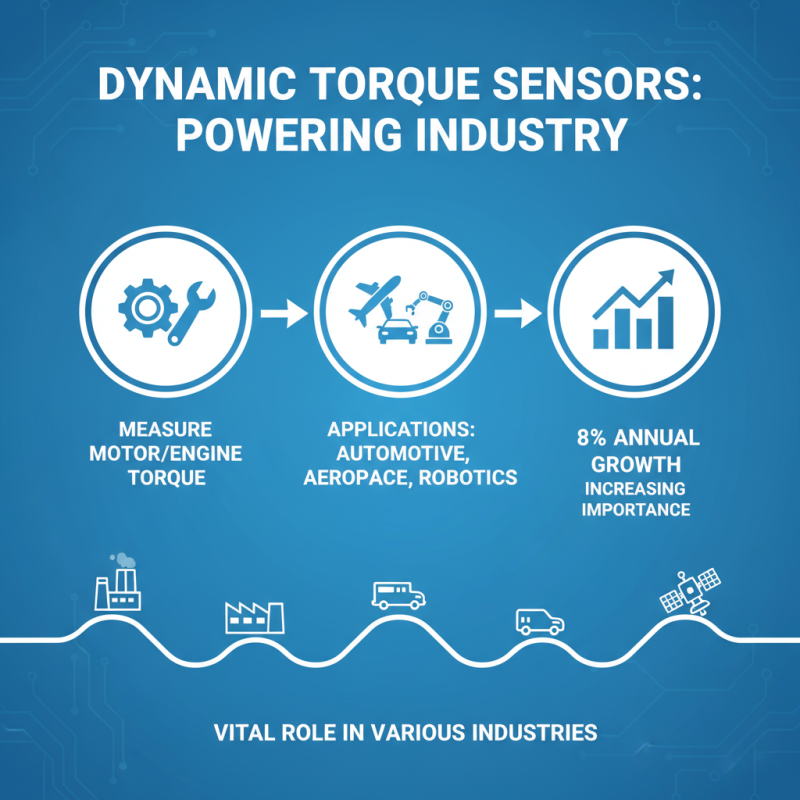
Dynamic torque sensors play a vital role in various industries. These sensors measure the torque produced by motors and engines. Their applications range from automotive to aerospace and robotics. According to industry reports, the demand for dynamic torque sensors is expected to grow at a rate of 8% annually, reflecting their increasing importance.
In automotive manufacturing, dynamic torque sensors ensure optimal engine performance. They help in fine-tuning systems for efficiency and power. Many engineers rely on these sensors for precise measurements. Their use can lead to significant cost savings and performance improvements. However, some users report challenges in calibration due to environmental factors.
Tips: Regular maintenance is crucial for accuracy. Check sensors often to avoid data loss.
Furthermore, in robotics, dynamic torque sensors enhance performance in automation. These sensors provide feedback for better control and movement precision. In aerospace, they ensure safe operation under extreme conditions. Still, selecting the right sensor can be complex. The market has numerous specifications and features.
Tips: Research thoroughly before choosing a sensor. Match the sensor’s capabilities to your specific needs.
Key Features of the Best Dynamic Torque Sensors in 2026
In 2026, the best dynamic torque sensors stand out due to their innovative features. These devices accurately measure torque under varying conditions. High precision is a vital requirement. They provide real-time feedback, which increases efficiency. Advanced materials enhance durability, making these sensors resilient against harsh environments.
User-friendly interfaces are common. Companies look for easy integration with existing systems. Intuitive displays make monitoring straightforward. However, potential users must consider calibration challenges. Regular maintenance is essential to ensure accuracy. Misalignment can lead to erroneous readings, impacting overall performance.
Another critical aspect is data connectivity. Many sensors offer wireless data transmission. This feature allows remote monitoring and analysis. Yet, reliance on wireless technology poses security concerns. Users must stay vigilant about data protection. These trade-offs highlight the need for careful consideration when choosing a sensor. Sensible decision-making can maximize the benefits of dynamic torque sensors.
2026 Best Dynamic Torque Sensor Features and Benefits Explained
| Feature |
Description |
Benefits |
| High Sensitivity |
Designed to detect even the smallest changes in torque. |
Enhances accuracy in measurements, leading to better performance insights. |
| Wide Measurement Range |
Capable of measuring a large spectrum of torque values. |
Versatile for various applications, reducing the need for multiple sensors. |
| Robust Construction |
Built to withstand harsh environmental conditions. |
Increases longevity, resulting in lower maintenance costs. |
| Real-Time Data Transmission |
Provides immediate feedback on torque measurements. |
Facilitates quick decision-making, enhancing process efficiency. |
| User-Friendly Interface |
Easy to navigate and understand, suitable for all skill levels. |
Reduces training time and increases usability across teams. |
Benefits of Using Dynamic Torque Sensors in Various Industries
Dynamic torque sensors are becoming vital in various industries. They provide real-time data on torque levels. This helps in monitoring equipment performance and ensures safer operations. With accurate measurements, businesses can maintain their systems efficiently.
In automotive manufacturing, these sensors measure engine output. Precision is critical here. Any slight variance can lead to significant performance issues. Using dynamic torque sensors helps identify problems early. But not all sensors deliver consistent quality. Choosing the right one is essential for optimal results.
In the aerospace industry, dynamic torque sensors track machinery during production. They assist in ensuring components meet strict safety standards. However, their accuracy can be affected by external factors like temperature. There’s always room for improvement in sensor technology. Developing better calibration methods is needed to enhance reliability further.
Comparison of Dynamic Torque Sensors with Other Sensor Types
Dynamic torque sensors stand out against other sensor types due to their unique capabilities. They measure torque in real-time, enabling precise control in various applications. Unlike strain gauges or rotary encoders, dynamic torque sensors provide immediate feedback and higher accuracy. This is critical for tasks where slight variations in torque can lead to significant failures.
Research highlights that dynamic torque sensors can improve process efficiency by up to 30%. Traditional sensors may struggle with rapid changes, but dynamic sensors adapt quickly. However, they can be more complex to install and require specialized calibration. Users must invest time in understanding their configurations, which can lead to operational delays.
Furthermore, dynamic torque sensors excel in industries with stringent quality standards. However, there are trade-offs. Initial costs might deter some users. Reports suggest that while they may have higher upfront expenses, the long-term savings from enhanced reliability are evident. As industries evolve, understanding these nuances becomes vital for optimizing operations and ensuring long-term success.
Future Trends in Dynamic Torque Sensor Technology and Innovation
The future of dynamic torque sensor technology is promising. Innovations are emerging that enhance their precision and functionality. New materials may improve durability and responsiveness. Thus, these sensors can handle more demanding conditions. Their ability to operate with minimal maintenance is a game-changer.
Future trends indicate a shift towards integration with digital platforms. Sensors will likely connect seamlessly with IoT systems. This connectivity will enable real-time data analysis, increasing operational efficiency. Imagine sensors that not only measure torque but also predict potential failures. This proactive approach could save time and resources, but it also raises questions about data security.
Moreover, the application areas are expanding. Automotive, aerospace, and industrial sectors will adopt advanced torque sensors. Yet, there are challenges. Cost versus benefit remains a critical debate. Some technologies may not deliver the promised results, leading to hesitation in widespread adoption. This evolving landscape calls for continuous evaluation and adaptation to new findings.
Dynamic Torque Sensor Features and Benefits
The chart above illustrates the key features and their ratings for dynamic torque sensors, highlighting their strengths in accuracy, response time, durability, size, and cost. These ratings provide insights into the advantages that future technology and innovations may focus on to enhance dynamic torque sensing capabilities.

 sales@loadcellsensor.com