Best Force Sensors for Accurate Measurement Solutions?
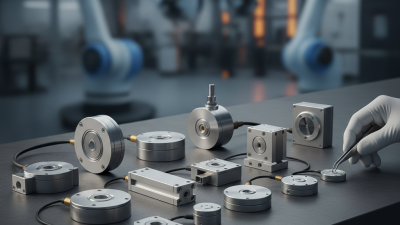
In the ever-evolving field of technology, precise measurement is paramount. Force sensors play a crucial role in delivering accurate data across various applications. These sensors can detect force, pressure, and weight, making them essential in industries ranging from automotive to healthcare.
Choosing the best force sensor is not always straightforward. Many options flood the market, each claiming superiority. Understanding the key features, such as sensitivity and range, is vital. Users often overlook the importance of calibration and environmental factors that can affect measurements. It's easy to assume all sensors provide equally reliable data, but this is not the case.
Experiencing issues with force sensor readings can lead to significant challenges. Inadequate understanding may result in improper installations or misinterpretations of data. This highlights the need for expertise when selecting measurement solutions. A solid foundation in the specifications of force sensors can elevate your projects. Engaging with professionals and industry insights can guide you toward making informed decisions.
Understanding Force Sensors: Types and Principles of Operation
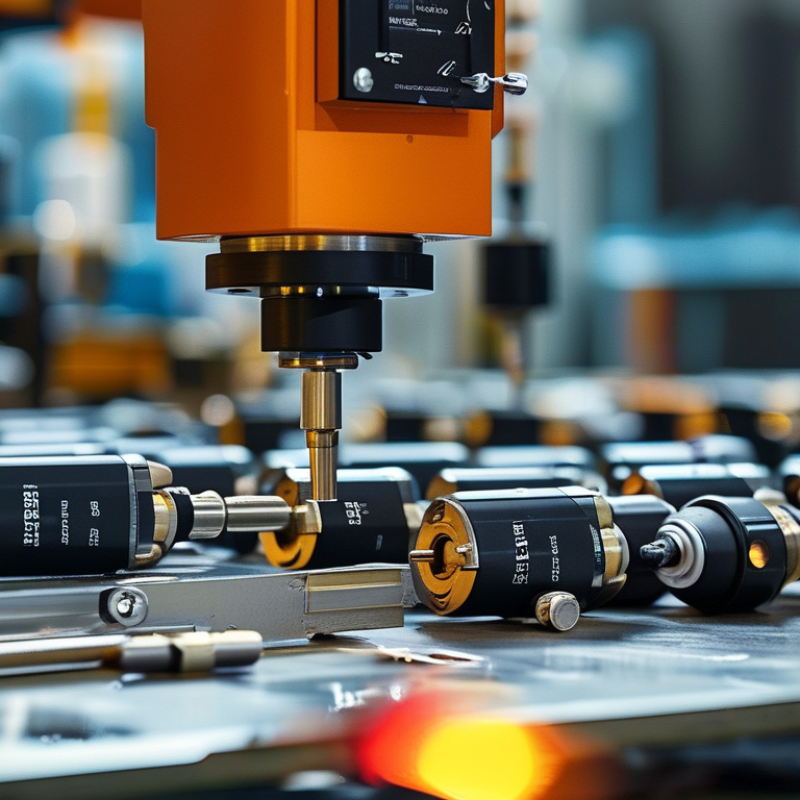
Force sensors play a crucial role in various applications. They measure the amount of force, pressure, or load. This data is vital in fields such as robotics and structural health monitoring. Understanding the types of force sensors is key for accurate measurements.
There are several types of force sensors. Strain gauge sensors are common. They work by detecting changes in resistance when they are deformed. Piezoelectric sensors generate voltage when mechanical pressure is applied. These sensors are ideal for dynamic applications. Capacitive sensors measure variations in capacitance due to applied force. Each type has unique characteristics and suitability for specific scenarios.
**Tip:** When selecting a sensor, consider the environmental conditions. Temperature and humidity can affect readings.
**Tip:** Always consult technical specifications. Understand the limitations of each sensor type.
It's essential to reflect on the importance of calibration. Even a slight misalignment can lead to significant errors. Ensure that the setup is precise and maintain it regularly. This will improve reliability and accuracy in your measurements.
Key Features to Consider in Choosing Force Sensors
Selecting the right force sensor is crucial for achieving accurate measurement solutions. When choosing a sensor, consider its sensitivity range. A good sensor should effectively detect a wide range of force levels. Some industry reports show that sensors with a sensitivity range of 0.1 N to 500 N are preferred in various applications. This allows for precise measurements, especially in delicate setups.
Another vital feature is the calibration method. Properly calibrated sensors yield reliable data. A recent study suggested that uncalibrated sensors could lead to a measurement error of up to 30%. Automated calibration processes are becoming more prevalent, enhancing reliability and confidence in measurements.
Environmental factors also play a role. It's essential to assess the sensor's ability to operate in harsh conditions. Sensors exposed to extreme temperatures or humidity must maintain accuracy. Data indicates that sensors rated for -40°C to 85°C can perform reliably in demanding environments. Despite advancements, challenges remain in achieving consistent performance across all conditions. Understanding the specific needs of your application is key to selecting the right force sensor.
Best Force Sensors for Accurate Measurement Solutions
| Sensor Type |
Measurement Range |
Accuracy |
Output Type |
Operating Temperature |
Applications |
| Strain Gauge |
0 to 2000 N |
±0.5% |
Analog Voltage |
-20°C to 85°C |
Industrial Automation |
| Piezoelectric |
0 to 3000 N |
±1% |
Charge Output |
-40°C to 125°C |
Machinery Testing |
| Load Cell |
0 to 5000 N |
±0.2% |
Digital Output |
-10°C to 70°C |
Weighing Systems |
| Capacitive |
0 to 1000 N |
±0.2% |
Voltage Output |
0°C to 60°C |
Robotics |
Applications of Force Sensors in Various Industries
Force sensors play a crucial role across various industries. In manufacturing, they ensure quality control by measuring the force applied to products during assembly. This measurement limits defects and improves overall product reliability. In robotics, force sensors enable machines to interact with their environment safely. They help robots understand how much force to apply when grasping objects.
In the medical sector, force sensors are vital for accurate patient monitoring. They measure the forces exerted during rehabilitation exercises, providing real-time feedback. This data assists therapists in evaluating patient progress. In the automotive industry, these sensors contribute to the development of smart airbags. They evaluate the impact forces and deploy with the necessary intensity, enhancing passenger safety.
While force sensor technology is advancing, challenges remain. Calibration can be complex and requires specific expertise. Different environments may affect sensor performance, leading to variable readings. Users need to ensure proper installation and maintenance for accurate results. Addressing these issues is essential for maximizing the benefits of force sensors in diverse applications.
Leading Manufacturers of Force Sensors and Their Innovations
In the realm of force measurement, leading manufacturers are consistently pushing the boundaries of innovation. They focus on enhancing precision and reliability. New sensors feature advanced materials that improve sensitivity. This allows for better detection of minute forces. The latest designs also integrate smart technology, offering real-time data analysis. These advancements appeal to various industries, from robotics to biomedical applications.
However, the transition to these innovative sensors is not without challenges. Many users struggle to adapt to new technologies. Understanding complex specifications can be daunting. Additionally, manufacturers must ensure compatibility with existing systems. It's crucial to strike a balance between innovation and user experience. Affordability can also be a concern. While high-end sensors boast remarkable features, not all businesses can invest heavily in them.
Despite these hurdles, the drive for innovation remains strong. Manufacturers are realizing the need for user-friendly solutions. Educational resources and customer support are becoming increasingly important. They aim to demystify new technologies. This approach fosters a positive environment for collaboration. Encouraging feedback from users helps refine products. The path forward is one of adaptation and growth, where both industry leaders and users can thrive.
Future Trends and Developments in Force Sensor Technology
The future of force sensor technology is shaping a new landscape in measurement solutions. Recent data shows that the force sensor market is projected to reach $8.4 billion by 2026, growing at a CAGR of 6.2%. Such growth indicates an increasing reliance on precision and reliability in various applications, from aerospace to medical devices.
One driving trend is the integration of smart technologies. Sensors now incorporate AI capabilities, enabling real-time data analysis. This advancement allows for faster responses to force changes, particularly in robotic applications. However, this sophistication brings challenges. Not all manufacturers have the expertise to implement these innovations effectively. Many designs remain untested in real-world conditions, leading to potential inaccuracies.
Another development is the rise of miniaturization. Smaller sensors are easier to integrate into tight spaces, enhancing functionality. Industry reports indicate significant demand for compact sensors in wearable technology. Yet, miniaturization can compromise robustness. Many small sensors struggle with durability under extreme conditions. This trade-off must be carefully considered by developers.

 sales@loadcellsensor.com