Best Reaction Torque Sensors Featured at 2026 Canton Fair?
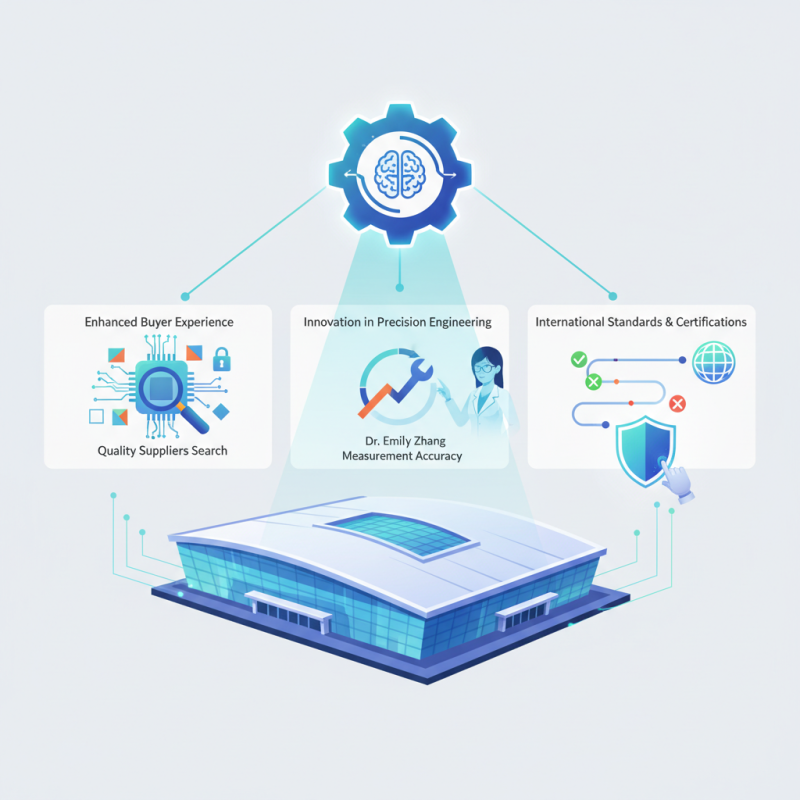
The 2026 Canton Fair is set to be a pivotal event for industries worldwide, particularly for those focusing on advanced manufacturing and electronics. This year, the introduction of AI tools enhances the experience for buyers, facilitating the search for quality suppliers. Industry experts highlight the growing interest in specialized products, such as the Reaction Torque Sensor.
Dr. Emily Zhang, a recognized leader in torque sensor technology, stated, “The evolution of Reaction Torque Sensors will reshape the precision engineering sector.” This reflects the emphasis on innovation within the industry. Buyers attending the fair can explore advanced sensor technologies that enhance measurement accuracy and application versatility.
Despite the advancements, challenges remain. Some manufacturers struggle to meet international standards, and not all suppliers will meet the required certifications. The AI-enabled navigation tools will assist buyers in identifying these obstacles and streamline their sourcing processes. The focus on Reaction Torque Sensors illustrates the blend of technology and practical application in modern manufacturing, an area that requires ongoing development and reflection.
Overview of Reaction Torque Sensors in 2026 Canton Fair
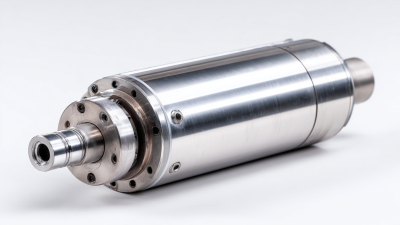
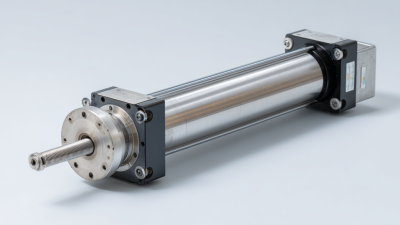
The 2026 Canton Fair showcases a variety of advanced technologies, including reaction torque sensors. These sensors measure the torque produced in rotating applications. They are crucial for ensuring precision in numerous machinery. Visitors are eager to see the innovations featured at this year’s expo.
One standout aspect of these sensors is their versatility. They find use in automotive, aerospace, and industrial settings. However, some sensors face challenges in accuracy under extreme conditions. Many exhibitors are addressing this issue by improving sensor materials and designs. Attendees should closely examine the technical specifications and performance data shared by manufacturers.
Networking opportunities are abundant at the fair. Experts and newcomers alike gather to share insights. Some exhibitors are focusing on real-world applications of their sensors. Yet, potential buyers should be cautious. Understanding the limitations of each product is essential. The fair provides a platform for meaningful discussions about the future of torque sensing technologies.
Best Reaction Torque Sensors Featured at 2026 Canton Fair
This chart illustrates the reaction torque capabilities of various sensors showcased at the 2026 Canton Fair. The data reflects the torque ratings measured in Newton meters (Nm), highlighting the potential performance of selected torque sensors.
Key Features and Innovations of Featured Torque Sensors
The 2026 Canton Fair showcased several innovative reaction torque sensors. These devices demonstrated impressive advancements. Their design emphasizes accuracy and reliability. Many sensors featured user-friendly interfaces. This makes them accessible for various applications.
Key innovations include wireless connectivity and real-time data monitoring. Users can access torque readings instantly, enhancing efficiency. Some models integrate advanced materials. This construction leads to improved durability in harsh environments. Moreover, sensor calibration has become more streamlined.
Despite these advancements, some challenges remain. Not all sensors are fully accurate under extreme conditions. Users reported occasional calibration discrepancies. Ongoing improvements are necessary to address these issues. Manufacturers are urged to refine their designs continually. The future of torque sensors looks promising, but there is room for growth.
Leading Manufacturers Showcasing Reaction Torque Sensors
The 2026 Canton Fair will showcase a variety of innovative reaction torque sensors. Leading manufacturers will present cutting-edge technology. These sensors are crucial in industries like automotive and aerospace. They measure torque accurately during operation. This feature enhances product reliability and performance.
According to a recent market report, the global torque sensor market experienced a compound annual growth rate (CAGR) of 6.8% from 2021 to 2026. The demand for precise torque measurement is rising in different sectors. However, not all manufacturers meet the market's increasing standards. Quality control remains a concern. Some sensors may not provide consistency in readings. This inconsistency can impact important engineering decisions.
The Canton Fair will attract industry leaders and potential buyers. Participants will have the chance to explore advanced features in torque measurement. Enhanced communication between manufacturers and users is vital. Understanding specific applications can lead to better solutions. As new technologies emerge, the gaps in current offerings will need addressing. The evolution of reaction torque sensors demands critical analysis and improvement.
Applications and Benefits of Reaction Torque Sensors
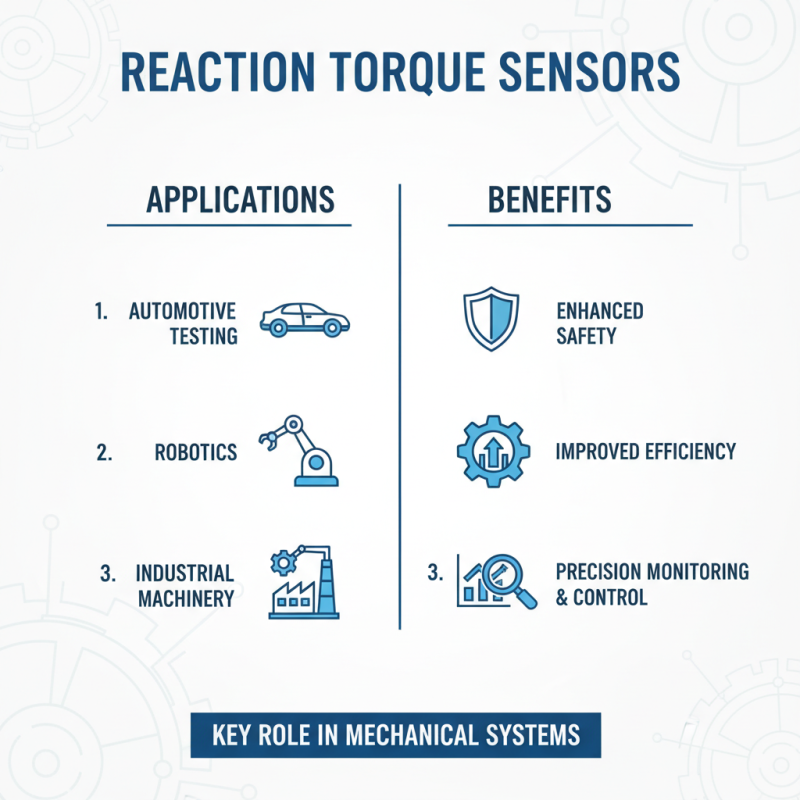
Reaction torque sensors are crucial in various applications. They measure the torque applied to mechanical systems, ensuring safety and efficiency. These sensors are often used in automotive testing, robotics, and industrial machinery. Accurate torque measurements enhance performance monitoring and control.
In automotive applications, reaction torque sensors help assess engine performance. They provide precise data on engine loads and help optimize fuel efficiency. In robotics, these sensors enable better feedback systems. This leads to improved manipulation of objects. However, integrating these sensors can be challenging. Calibration issues may arise. Regular maintenance is essential to ensure reliable performance.
Industrial machinery also benefits from these sensors. They help prevent equipment failure by monitoring torque loads. Early detection of anomalies can save costs. Still, some users find the installation process daunting. It requires careful planning and technical expertise. Reaction torque sensors are powerful tools, but they demand attention and precision in implementation.
Market Trends and Future Outlook for Torque Sensor Technology
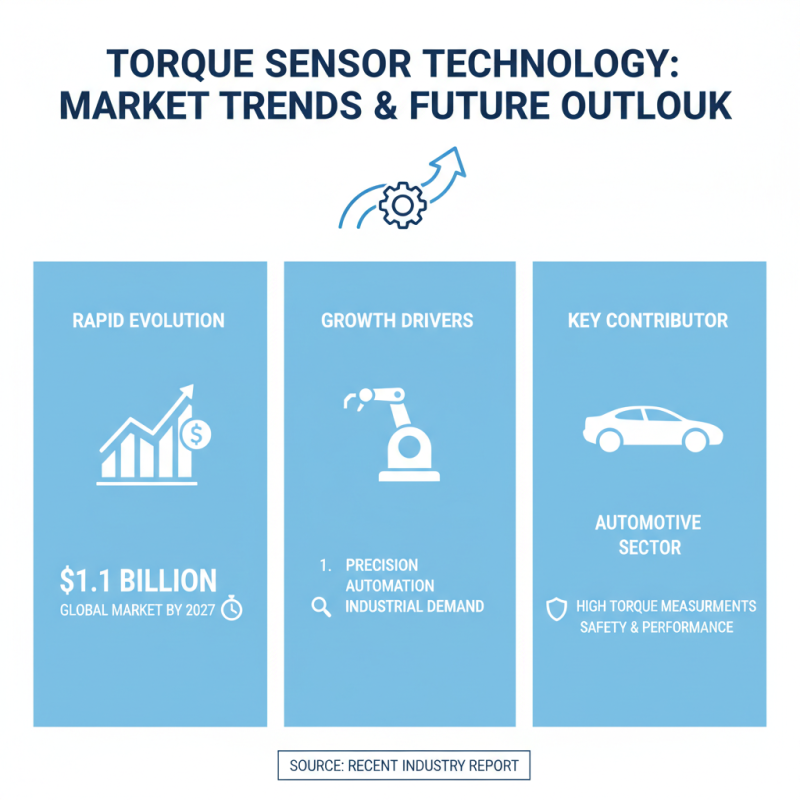
The torque sensor market is evolving rapidly. According to a recent report, the global torque sensor market is projected to reach $1.1 billion by 2027. This growth is driven by the increasing demand for precision in automation processes across various industries. In particular, the automotive sector is a significant contributor, where high torque measurements ensure safety and performance.
The 2026 Canton Fair highlights emerging technologies in torque sensors. New sensor designs are focused on enhancing accuracy and durability. For instance, wireless sensors are becoming increasingly popular due to their convenience. They provide real-time data, which is crucial for industries like aerospace and robotics. However, challenges remain. The integration of these sensors into existing systems can be complex and costly.
Future trends indicate a shift toward smart sensors. These devices use advanced algorithms to provide better analytics and predictive maintenance. A key report mentions that smart torque sensors could reduce downtime by up to 25%. This potential is appealing but also raises questions about data security and system compatibility. The industry needs to address these concerns to fully leverage the benefits of sensor technology.

 sales@loadcellsensor.com