China Best Rigging Load Cell for Global Buyers?
In the competitive landscape of load measurement solutions, the demand for high-quality Rigging Load Cells is surging globally. According to a recent market analysis by Research and Markets, the global load cell market is projected to reach over $1 billion by 2027. This growth reflects an increasing reliance on precision in industries ranging from construction to aerospace. As Rigging Load Cells are crucial for ensuring safety and efficiency, selecting the right manufacturer becomes essential.
Expert in load measurement technologies, Dr. Michael Johnson emphasizes, "Choosing the right Rigging Load Cell can significantly impact project outcomes." His insights highlight the importance of precision in load measurement. Various factors, such as material quality and calibration methods, directly affect performance and reliability.
Though the Chinese market offers a myriad of options, not all products meet international standards. Prospective buyers must be cautious. Balancing cost and quality is a complex challenge. While many manufacturers boast impressive features, it’s vital to scrutinize their real-world performance. Ultimately, thorough research can help buyers navigate this critical decision-making process.
Overview of Load Cells and Their Role in Rigging Applications
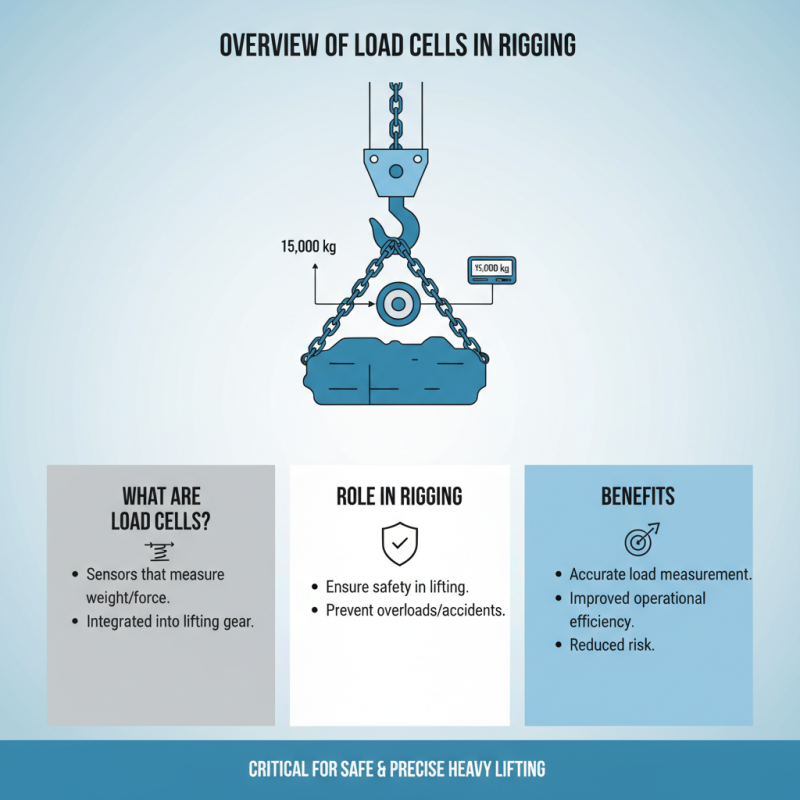
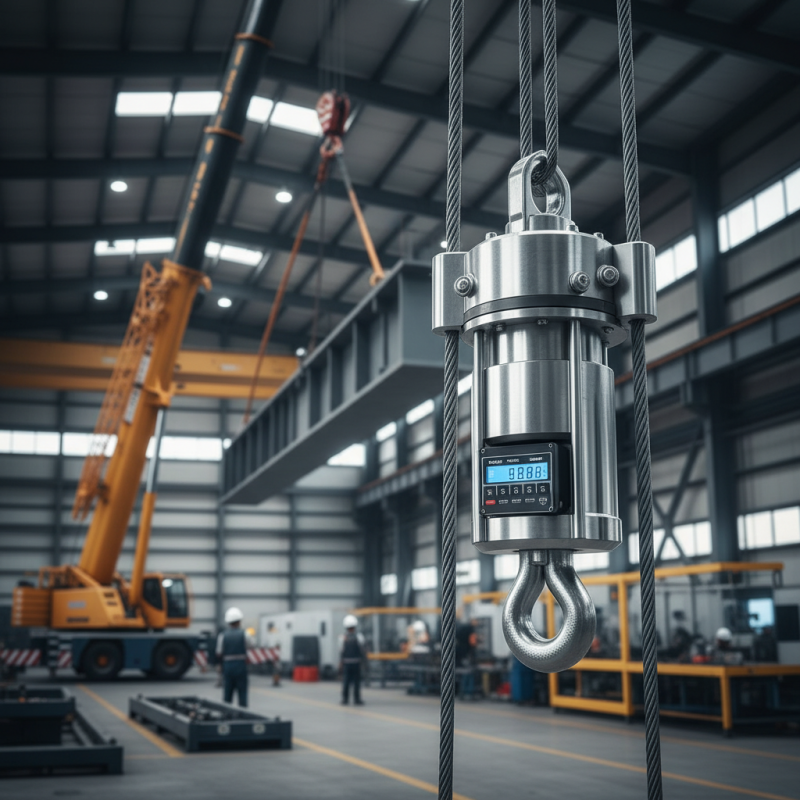
Load cells are critical components in rigging applications. They measure the weight or force acting on a load. These sensors ensure safety and accuracy in lifting and transporting heavy items. Without accurate load measurement, operations can become dangerous. Proper load management reduces the risk of accidents.
In rigging, load cells provide real-time data. This data helps prevent overloading, which can lead to equipment failure. Understanding how to interpret load cell readings is vital for operators. They must be trained to respond to different weight scenarios. Equipment maintenance should also be a priority. Regular inspections can prevent unexpected failures.
Tips: Always check the load capacity before use. Familiarize yourself with the manufacturer's guidelines. If something seems off, perform recalibrations. Neglecting these steps can lead to serious issues. Adjustments may be necessary as loads fluctuate. Attention to detail is crucial in safe rigging practices.
Key Features and Specifications of Rigging Load Cells
Rigging load cells have become essential tools in various industries, including construction and shipping. They are used to measure the weight of heavy loads accurately. Key features of rigging load cells include high precision, capacity range, and durability. Most load cells offer accuracy rates within 0.1% of the full scale. This ensures reliable measurements during critical lifting operations.
A recent industry report emphasized that robust design is crucial. Most load cells are built to withstand harsh environments. They often feature stainless steel housing, which provides corrosion resistance. Protection ratings, like IP67, indicate that these devices can endure dust and water exposure. Such specifications enhance reliability, contributing to improved safety in the workplace.
Data shows that the global load cell market is expected to reach over $4 billion by 2027. This growth highlights rising demand for precise measurements in logistics and manufacturing. However, users must choose load cells wisely. Not all load cells match every application, leading to potential errors and increased costs. Understanding specifications helps in selecting the right type for specific needs.
Top Manufacturers of Rigging Load Cells in China
When it comes to rigging load cells, China's manufacturing sector stands out. The country is home to a range of reputable manufacturers that have developed advanced technologies. These companies focus on precision and reliability. Their load cells offer high accuracy for various applications, including construction and industrial use.
Manufacturers invest in research and development to enhance product performance. This commitment ensures products meet international quality standards. However, not all suppliers maintain the same level of excellence. Buyers should conduct thorough research to find trustworthy partners. Exploring customer reviews and industry certifications can help guide decisions.
The market is competitive, providing options for global buyers. While many manufacturers promise superior quality, some may fall short. It’s essential to analyze specifications and operational capabilities. Identifying the right manufacturer can lead to successful projects and reduced risk. Yet, it requires diligence and sometimes, disappointment in finding the perfect match.
China Best Rigging Load Cell for Global Buyers? - Top Manufacturers of Rigging Load Cells in China
| Manufacturer Location |
Load Cell Capacity (kg) |
Accuracy (%) |
Material |
Application |
| Shanghai |
5000 |
0.1 |
Aluminum |
Industrial weighing |
| Beijing |
10000 |
0.05 |
Steel |
Construction |
| Shenzhen |
2500 |
0.2 |
Stainless Steel |
Marine |
| Guangzhou |
15000 |
0.1 |
Aluminum |
Logistics |
| Hangzhou |
3000 |
0.15 |
Steel |
Manufacturing |
Comparative Analysis: Chinese vs. Global Rigging Load Cell Providers
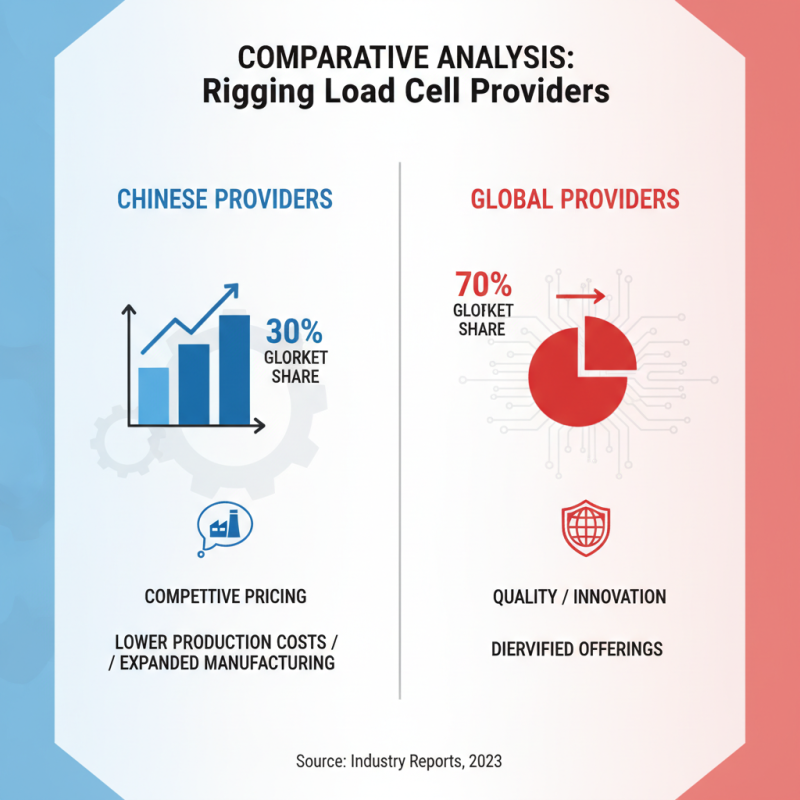
In the market for rigging load cells, a comparative analysis reveals intriguing insights. Chinese manufacturers are known for their competitive pricing. Reports indicate that they capture a significant share of the global market, approximately 30% in recent years. This is primarily due to lower production costs and expanded manufacturing capabilities.
However, quality concerns often arise. While Chinese providers excel in cost efficiency, they may lag behind in precision and durability. Independent studies have found that, on average, non-Chinese load cells offer 15% greater reliability in extreme load conditions. Buyers in industries such as construction and maritime logistics prioritize robustness, as a malfunction can lead to severe safety risks.
Global providers often emphasize advanced technology. They invest significantly in research and development, aiming for higher performance metrics. Meanwhile, the gap in customer support services between Chinese and global players is notable. Many global companies provide extensive technical assistance. In contrast, Chinese firms might fall short in after-sales service, leading to buyer hesitation. This disparity highlights the importance of choosing the right supplier based on specific needs.
Applications and Industries Utilizing Rigging Load Cells Worldwide
Rigging load cells play a vital role in multiple industries around the globe. They are crucial in construction, shipping, and manufacturing. These load cells precisely measure weight and ensure safety during heavy lifting. This technology is essential for cranes and hoists. It helps prevent accidents and equipment damage.
In the transport sector, rigging load cells are widely used. They ensure cargo is safely loaded and handled. This reduces the risk of overload and maintains balance during transit. In industrial settings, these devices support quality control. They verify that materials meet specific weight criteria.
Challenges can arise with load cell installation and calibration. Inconsistent measurements can lead to serious issues. Regular checks and maintenance are crucial to ensure accuracy. Workers must be trained to use them correctly. This makes attention to detail and ongoing education important. The effectiveness of rigging load cells depends on proper use and reliability.

 sales@loadcellsensor.com