Why You Should Choose a 3-Axis Force Sensor for Accurate Measurements
In the realm of precision engineering and measurement, the accuracy and reliability of sensors play a critical role in diverse applications ranging from robotics to biomedical devices. Among the various types of sensors available, the 3-Axis Force Sensor stands out for its unparalleled ability to measure forces along three dimensions simultaneously. This innovative technology not only enhances the complexity of measurements that can be captured but also ensures that data reflects real-world interactions more accurately.
As industries increasingly demand higher precision and data fidelity, choosing a 3-Axis Force Sensor becomes essential for engineers and researchers alike. The ability to gather comprehensive force data opens up new avenues for analysis and optimization, allowing for smarter designs and improved functionality. In this article, we will explore the top five reasons why integrating a 3-Axis Force Sensor into your measurement systems will significantly elevate the quality and precision of your results, thereby informing better decision-making and innovative advancements in technology.

Benefits of Using 3-Axis Force Sensors for Precision Applications
3-axis force sensors are becoming increasingly essential for precision applications across various industries. Their ability to simultaneously measure forces in three dimensions enables more accurate and reliable data collection required in complex tasks. This capability is particularly crucial in robotic applications, where precise force measurements can enhance dexterity and efficiency. For instance, multi-axis force-torque sensors have been integrated into robotic systems, allowing for improved performance and reliability in automation.
Furthermore, the advancements in sensor technology, such as ultra-compact designs and integration with microcontrollers, are paving the way for innovative applications. In fields like robotic-assisted surgery, the incorporation of tactile sensing into surgical instruments provides real-time feedback on operational forces, significantly enhancing the safety and efficacy of procedures. The versatility of 3-axis force sensors enhances customization for specific tasks, ensuring that diverse industrial challenges can be addressed effectively. This trend is continually shaping the future of automation, enabling machines to replicate human-like sensitivity and precision.
Benefits of 3-Axis Force Sensors for Precision Applications
Key Features of 3-Axis Force Sensors That Enhance Measurement Accuracy
3-axis force sensors are designed to provide a comprehensive and accurate measurement of forces applied in three dimensions: X, Y, and Z axes. One of the key features that enhances their measurement accuracy is their high sensitivity, allowing them to detect even the slightest forces. This is especially critical in applications such as robotics and medical devices, where precise force measurements can significantly impact performance and safety. The ability to measure multi-directional forces simultaneously helps in minimizing measurement errors that often occur when using single-axis sensors.
Another important feature is the built-in temperature compensation, which ensures that the sensor maintains accuracy across varying environmental conditions. Temperature fluctuations can cause drift in measurements, but with advanced compensation algorithms, 3-axis force sensors can adapt and provide reliable data, regardless of external influences. Additionally, these sensors often feature robust calibration processes that enhance their reliability over time, ensuring that measurements remain consistent and accurate throughout their operational lifespan. With these features, 3-axis force sensors become essential tools for industries demanding high precision in force measurement.
Comparison of 3-Axis Force Sensors with Other Sensor Types
When comparing 3-axis force sensors to other sensor types, it's essential to understand the unique advantages they offer. Unlike traditional single-axis sensors that can only measure force in one direction, 3-axis force sensors can capture forces acting in all three spatial dimensions simultaneously. This capability makes them particularly valuable in applications where multidirectional forces are at play, such as robotics, biomechanics, and aerospace testing.
Furthermore, 3-axis force sensors provide more comprehensive data for complex systems. For instance, while strain gauge sensors may offer high precision in one direction, they typically lack the capability to assess combined forces accurately. In contrast, 3-axis force sensors enable engineers and researchers to monitor dynamic movements more effectively, allowing for better analysis and improvements in design and functionality. Ultimately, their versatility and robustness position 3-axis force sensors as a superior choice for precise and reliable measurements in various fields.
Applications of 3-Axis Force Sensors in Various Industries
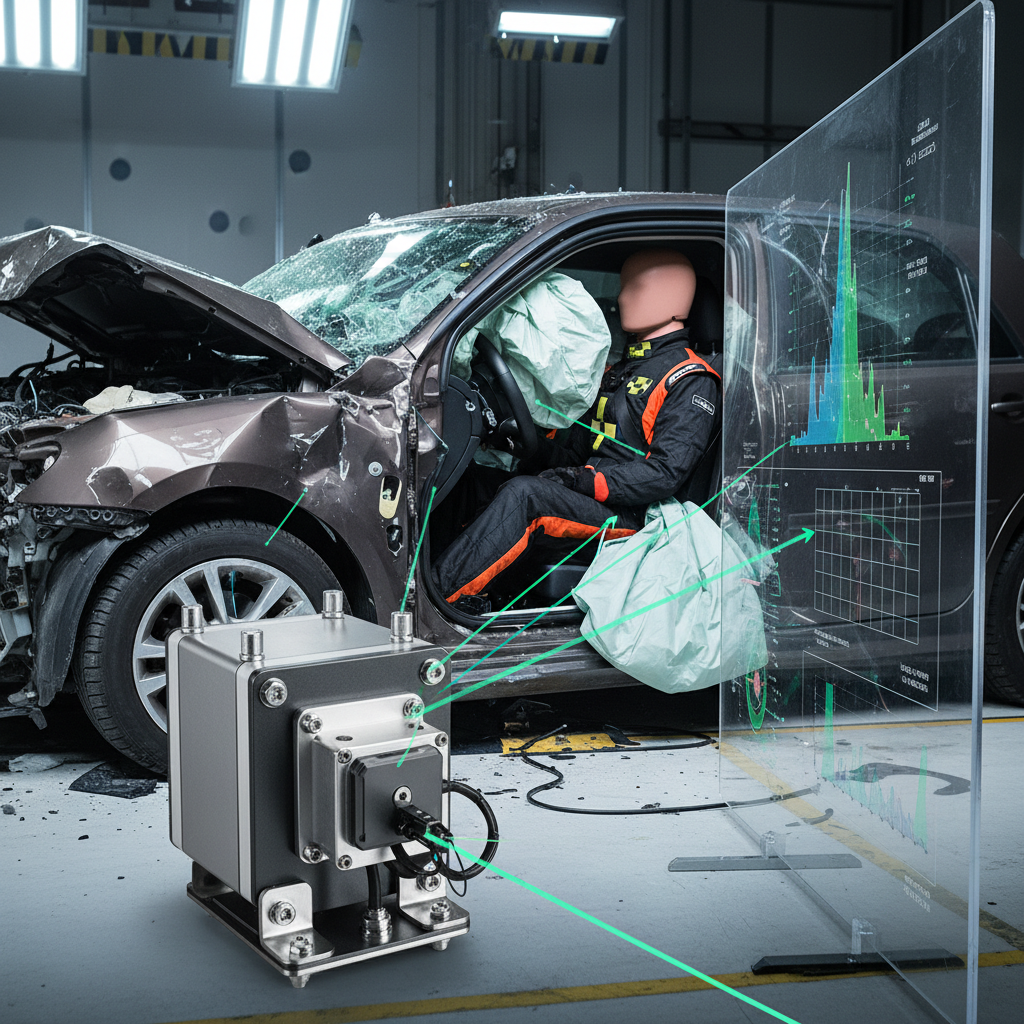
3-axis force sensors are vital components in numerous industries due to their ability to provide precise measurements of force in multiple directions simultaneously. In the automotive sector, these sensors are essential for crash testing, where they help assess the impact forces experienced during collisions. Additionally, they play a critical role in the development of advanced driver-assistance systems (ADAS) by ensuring that the force feedback mechanisms in vehicles operate correctly, enhancing safety and performance.
In the manufacturing and robotics industries, 3-axis force sensors aid in quality control and automated assembly processes. By accurately measuring the force applied during assembly, manufacturers can detect anomalies that may lead to product defects. Furthermore, in the field of healthcare, these sensors are employed in rehabilitation devices, allowing for the monitoring of forces exerted by patients during therapy. This data is crucial for tailoring rehabilitation programs to individual needs, ultimately improving patient outcomes. The versatility of 3-axis force sensors makes them indispensable across various applications, driving innovation and efficiency in multiple fields.
Guidelines for Selecting the Right 3-Axis Force Sensor for Your Needs
When selecting a 3-axis force sensor, the first consideration should be the specific application requirements. Different applications, such as robotics, dynamic testing, or aerospace, may demand sensors with varying ranges of sensitivity and load capacity.
It's crucial to assess the forces that will be applied to the sensor, as well as the environment in which it will operate. For example, consider whether the sensor needs to withstand high temperatures, moisture, or other environmental factors that could affect its performance.
Another important factor is the sensor's calibration and accuracy. Look for devices with calibration certificates and detailed specifications regarding their accuracy and response time. Ensuring that the sensor excels in these areas will contribute significantly to obtaining reliable and precise measurements.
Additionally, consider the ease of integration with existing systems, as well as the availability of technical support from the manufacturer, which can be invaluable during installation and operation.

 sales@loadcellsensor.com