How to Choose the Right Inline Load Cell for Your Needs?
When selecting an inline load cell, precision and reliability are paramount. Inline load cells play a crucial role across various industries. According to a 2022 market report, demand for load cells is expected to rise by 5.3% annually. This growth highlights the need for accurate weight measurements in manufacturing, automotive, and healthcare sectors.
Understanding the specifications of inline load cells is vital. Factors such as load capacity, environmental conditions, and integration ease must be considered. For instance, a high-capacity inline load cell may be essential for large-scale production lines, while a compact model might suit tight spaces. However, finding the right fit can be challenging.
Not all inline load cells are created equal. Some may not perform well under specific conditions. Testing and validation are crucial. Seek professional guidance to ensure your choice aligns with your operational needs. The right inline load cell can enhance efficiency. But choosing poorly can lead to inaccuracies and costly errors.
Understanding Inline Load Cells: Basics and Components
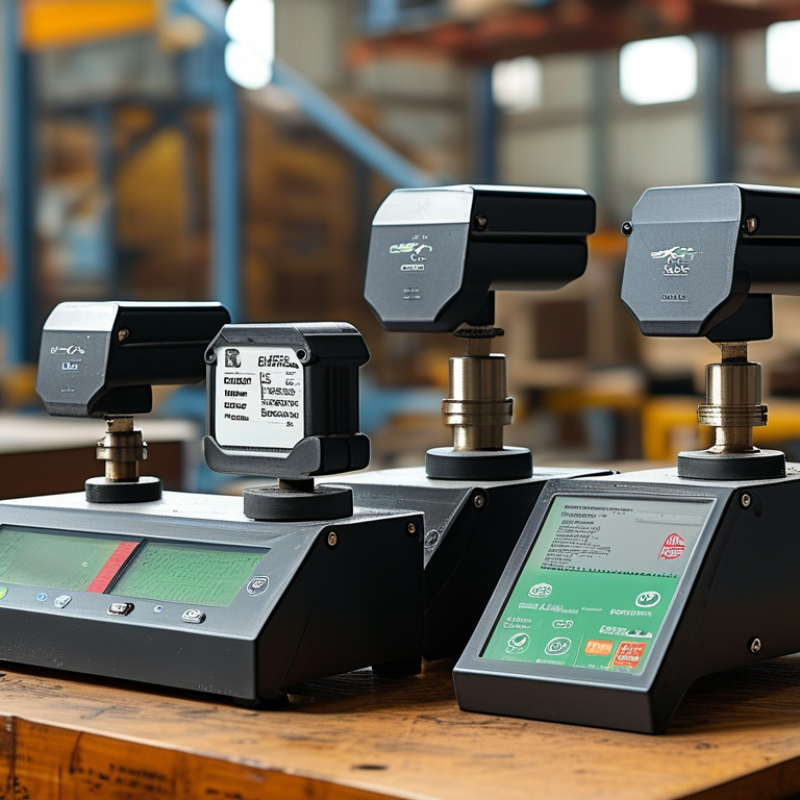
Inline load cells are crucial in various industries. They measure force or weight in line with equipment. Understanding their components is essential for making informed decisions. A report from the International Society of Automation states that 75% of load cell users face accuracy issues without proper knowledge of their technology.
Key components include strain gauges and amplifiers. Strain gauges convert mechanical deformation into electrical signals. Amplifiers enhance these signals for precise readings. It's interesting that failure rates can rise by 30% without adequate maintenance. Many users underperform their potential simply due to lack of component awareness.
Calibration is another often overlooked aspect. An estimated 40% of load cells are not calibrated correctly, impacting reliability. This can lead to data discrepancies and incorrect weight measurements. As industries demand higher accuracy, it’s vital to regularly review and understand these basic elements. Making informed choices about inline load cells plays a significant role in operational efficiency.
Types of Inline Load Cells and Their Applications
When selecting an inline load cell, understanding the types available can greatly influence your decision. Inline load cells are widely used for various industrial applications, offering precise measurements of force and weight. One common type is the tension load cell, ideal for applications that require measuring the pulling force. According to a recent market study, the demand for tension load cells is expected to grow by 7% annually through 2026, indicating their importance in sectors like packaging and construction.
Compression load cells are another widely utilized type. They handle compressive forces, making them suitable for applications like weighing packages or containers. Approximately 40% of users prefer compression load cells for their reliability and simplicity. However, users often overlook their calibration needs, which can lead to inaccuracies. Regular maintenance is essential to ensure optimal performance and accurate data collection.
Shear beam load cells are also notable for their versatility. They are commonly used in weighing systems and have a reputation for durability. Reports suggest they can operate effectively in harsh environments, which is critical for industries such as food processing or pharmaceuticals. Yet, the challenge remains that adaptability to extreme conditions can sometimes compromise accuracy. Selecting the right load cell requires evaluating specific requirements against these characteristics to ensure the best fit for your application.
Key Specifications to Consider When Choosing
When selecting an inline load cell, understanding the key specifications is crucial.
Capacity is a primary factor;
it should accommodate the maximum load you expect. For many applications, a tolerance of
±0.1% is standard. Data from industry reports indicate that load cells with higher
accuracy can enhance process efficiency by up to
15%. It's also vital to consider the
environmental conditions. Temperature variations can impact performance,
so look for cells with a suitable temperature rating.
Another important aspect is the measurement range.
A broader range increases versatility but may affect sensitivity. According to the
Journal of Mechanical Engineering, load cells with narrow
measurement ranges show less drift over time. This can translate to improved
reliability, particularly in heavy machinery.
Weight resolution must also be evaluated. A low resolution can lead to missed readings under
variable conditions, decreasing operational reliability.
Materials used in the construction of the load cell can affect durability.
Stainless steel offers resistance to corrosion, while
aluminum keeps costs lower but may not withstand harsh
environments as effectively. An ideal choice should reflect a balance between cost and performance.
In many cases, users overlook these details, leading to unsatisfactory results. Developing an understanding
of these specifications will facilitate a more informed decision.
Factors Influencing Load Cell Performance and Accuracy
When selecting an inline load cell, performance and accuracy are crucial factors. Load cell performance hinges on various modules, materials, and designs. For instance, the materials used can significantly affect durability and sensitivity. Metal alloys commonly provide more robustness, while ceramic options may offer better accuracy in precision applications.
Calibration plays an essential role too. An improperly calibrated cell can yield inaccurate measurements. Regular calibration checks help ensure that readings remain reliable over time. It’s essential to use proper calibration techniques to maintain consistency.
**Tips:** Always consider the environmental conditions in which the load cell will operate. Heat, moisture, and dust can impact performance. Also, pay attention to the expected load range. Overloading a load cell can lead to failure. Selecting the right capacity is vital for longevity. Reflect on whether the chosen load cell fits the specific application's needs. Make adjustments if necessary.
How to Choose the Right Inline Load Cell for Your Needs?
| Factor |
Description |
Impact on Performance |
Typical Range |
| Load Capacity |
The maximum load the cell can measure without distortion. |
Determines whether the cell can handle the intended application. |
0.1 to 100,000 kg |
| Precision |
The degree to which the load cell can repeat its measurement. |
Higher precision improves measurement reliability. |
0.05% to 1% |
| Temperature Range |
The operational temperature limits of the load cell. |
Affects the cell's accuracy based on environmental conditions. |
-30°C to +85°C |
| Material |
The composition of the load cell affects durability and environmental resistance. |
Materials like stainless steel enhance corrosion resistance. |
Aluminum, Stainless Steel, Alloy Steel |
| Output Signal |
The type of electrical signal generated by the load cell. |
Affects the compatibility with various measurement systems. |
mV/V, 4-20 mA, Digital |
Best Practices for Installation and Maintenance of Load Cells
When installing inline load cells, proper alignment is crucial. Misalignment can lead to inaccurate measurements and device wear. Make sure the load cell is parallel to the load it will measure. A small adjustment can make a big difference in performance. Regularly check for signs of wear and misalignment during maintenance routines.
Routine maintenance is essential for prolonging the life of your load cells. Regularly inspect the connection points for corrosion or dirt buildup. Dust and debris can interfere with accurate readings. Keep the load cells clean, but avoid harsh chemicals that can cause damage. Use a soft cloth and mild cleaning solution to wipe the surfaces.
Load cells often face challenges in harsh environments. Factors like humidity and temperature fluctuation affect performance. Consider using protective cases if your load cells are exposed to such conditions. This helps mitigate potential risks. Moreover, remember that even the best setup can encounter unexpected issues. It’s important to be proactive and attentive to minor signs of irregularity. Addressing these early can save time and resources in the long run.

 sales@loadcellsensor.com