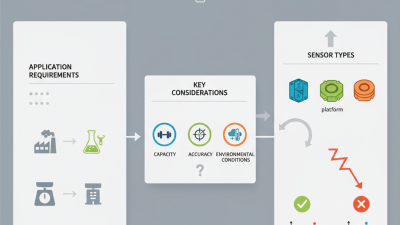
How to Choose the Right Ring Load Cell for Your Needs?
Choosing the right Ring Load Cell is crucial for various applications in industrial settings. John Smith, a renowned expert in load measurement, states, "Understanding your specific needs can greatly enhance measurement accuracy." This insight is vital for engineers and operators alike.
Ring Load Cells come in different designs and capacities. Each type serves distinct purposes. For instance, applications can range from weighing heavy machinery to precise load monitoring in research. Selecting the best option involves careful consideration of multiple factors.
While many may overlook specifications, even minor details matter. Environmental conditions and load types can impact performance. Seeking guidance from experienced professionals can mitigate potential pitfalls, ensuring the chosen solution meets operational demands effectively.
Understanding Ring Load Cells: Basic Principles and Applications
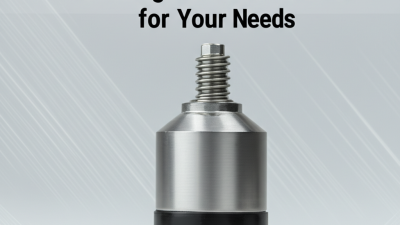
Understanding ring load cells involves grasping their foundational principles and diverse applications. These sensors measure force or weight through a ring-shaped design, making them ideal for specific contexts. Their structure offers advantages in environments with space constraints. Unlike other load cells, ring load cells can distribute loads evenly. This feature enhances accuracy and durability, proving valuable in many industrial settings.
Applications of ring load cells range from manufacturing to research. They are frequently used in tension applications, such as crane scales or cable testing. Their ability to withstand high loads makes them suitable for heavy machinery. However, selecting the right model requires careful consideration of factors like capacity and operational environment. Not all ring load cells perform equally; some may struggle under varying temperatures or harsh conditions. Reflecting on these aspects ensures that users find the best fit for their specific needs.
Load Cell Capacity Comparison
This chart illustrates the capacities of different types of load cells ranging from 1 ton to 20 tons, showcasing the common options available in the market.
Factors to Consider When Selecting a Ring Load Cell
When selecting a ring load cell, several critical factors come into play. The capacity of the load cell should match the application requirements. According to industry studies, the demand for load cells in industrial applications is projected to grow by 5.6% annually, underlining the importance of choosing the right specifications.
Another important aspect is the material of the load cell. Stainless steel is a common choice for its durability and resistance to corrosion. However, there are instances where aluminum may be better suited due to its lightweight nature. The choice between these materials can significantly impact performance in various environments.
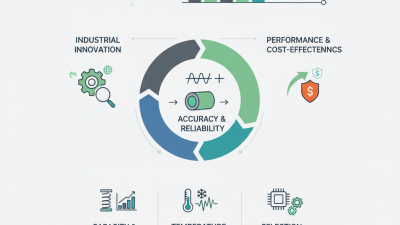
Temperature range is also a vital consideration. Load cells should function accurately within the intended operational range. A report from the Load Cell Alliance indicates that poor temperature management can lead to errors exceeding 1% of the total measurement. Recognizing these details can prevent potential miscalculations. Evaluating these elements ensures the load cell aligns with specific operational demands while maintaining reliable performance.
Evaluating Load Cell Specifications for Your Specific Needs
When selecting a load cell, understanding specifications is crucial. Different applications may demand varying capabilities. Load cells are commonly rated by parameters such as capacity, accuracy, and sensitivity. Capacity indicates the maximum load, while accuracy can vary significantly, typically between 0.01% to 0.1% of the full scale. Sensitivity often ranges from 1 to 2 mV/V, affecting measurement resolution.
Consider the environment where the load cell will be used. Factors like temperature and humidity can impact performance. For instance, temperature effects can reduce precision by 0.1% per degree Celsius shift. Industry standards suggest choosing load cells that have temperature compensation to mitigate inaccuracies. In real-world applications, nearly 20% of users report challenges with environmental conditions affecting readings, highlighting the need for suitable specifications.
Beyond specifications, proper installation plays a critical role. Misalignment can introduce errors. Calibration should be regular, as neglecting this process can lead to deviations over time. A study indicated that one in five load cells fails to meet accuracy requirements due to poor calibration. Evaluating both specifications and practical aspects is essential for making an informed selection.
Common Use Cases of Ring Load Cells in Different Industries
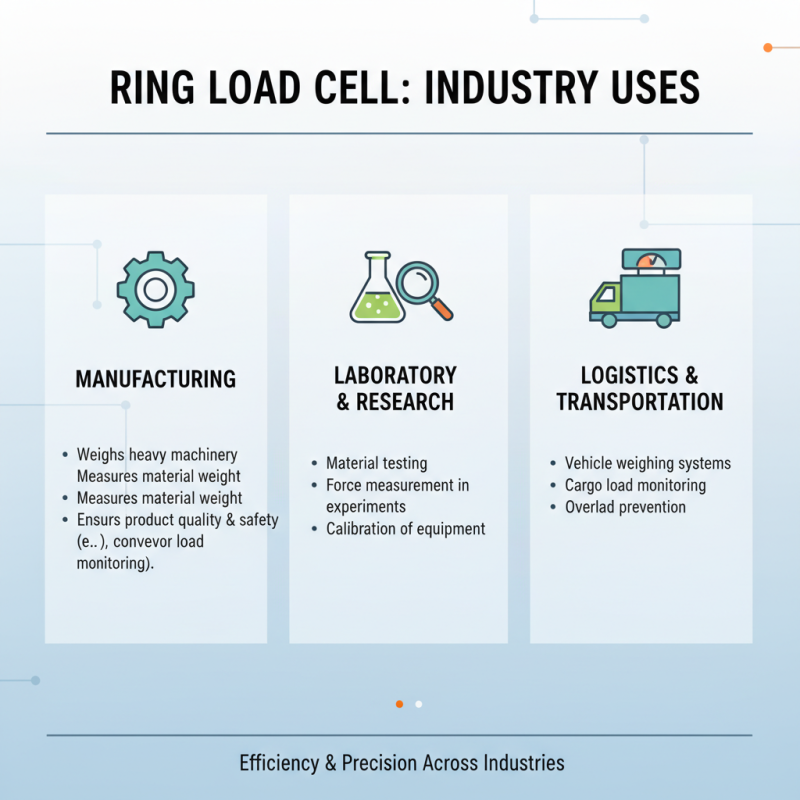
Ring load cells are vital in various industries, offering efficiency and precision. In manufacturing, they measure the weight of heavy machinery and materials. This precision ensures product quality. For example, a ring load cell can determine the load on a conveyor system, ensuring it operates within safe limits.
In the transportation sector, ring load cells monitor vehicle weight for safety and regulatory compliance. They are essential in weighing trucks and trailers, preventing overloads. Accurate weight measurements help avoid accidents and reduce wear and tear on roads. Another application is in civil engineering, where load cells assess structural integrity. They can measure tension and compression in bridges and buildings.
Different industries require specific configurations. The environmental conditions may affect cell performance. For precise needs, understanding specifications is crucial. Some applications might need higher rated capacities, while others focus on accuracy. It’s essential to weigh all factors critically, as errors can lead to significant consequences. Consider your unique requirements before selecting a ring load cell.
Maintenance and Calibration Tips for Optimal Load Cell Performance
When working with load cells, regular maintenance and proper calibration are crucial for optimal performance. A study by the International Society of Automation indicates that 30% of load cell failures can be attributed to poor maintenance practices. Simple steps can help prevent this. Regular inspection for signs of wear or damage can extend the life of a load cell. Check for corrosion and ensure connections are secure.
Calibration plays a vital role in ensuring measurement accuracy. It's recommended to calibrate load cells at least once a year, or more frequently under harsh conditions. According to research from the National Institute of Standards and Technology, a properly calibrated load cell can improve accuracy by up to 15%. This practice is not just about accuracy; it’s critical for safety. Load cells not accurately calibrated can lead to overloading, resulting in equipment failure or accidents.
Utilizing environmental controls can improve performance significantly. For example, keeping load cells away from extreme temperatures or vibrations can enhance their reliability. A common oversight is neglecting the effects of environmental factors. Many technicians underestimate how changes in humidity can affect readings, leading to costly errors. Consider a regular schedule for checks and calibrations as part of your operational protocol.
How to Choose the Right Ring Load Cell for Your Needs?
| Dimension |
Details |
| Capacity |
500 kg to 2000 kg |
| Material |
Stainless Steel |
| Output Signal |
Millivolt |
| Environmental Protection |
IP67 |
| Calibration Frequency |
Annually |
| Temperature Range |
-10°C to +50°C |
| Load Cell Type |
Ring Type |
| Cable Length |
3 meters |

 sales@loadcellsensor.com