Ultimate Tips for Choosing the Right Rotary Torque Sensor?
Choosing the right Rotary Torque Sensor is vital for accurate measurements in various applications. Experts emphasize that a well-selected sensor can enhance system reliability and performance. Dr. Emily Hart, a leading authority in torque measurement technology, stated, "Precision in torque measurement starts with the right sensor choice." Her insight reflects the significance of understanding specific needs.
In the world of rotary torque sensors, different applications demand different features. For instance, industrial settings may require sensors that withstand harsh environments, while automotive testing may focus on sensitivity and response time. Familiarizing oneself with these nuances is crucial. However, it’s easy to overlook some factors, like sensor compatibility with existing systems.
A common misstep is prioritizing price over quality. While budgeting is essential, opting for a low-cost sensor can lead to inaccuracies and operational setbacks. Real-world experiences show that investing in quality saves resources in the long run. Reflecting on these elements can guide you toward selecting the best Rotary Torque Sensor for your needs.
Understanding the Basics of Rotary Torque Sensors
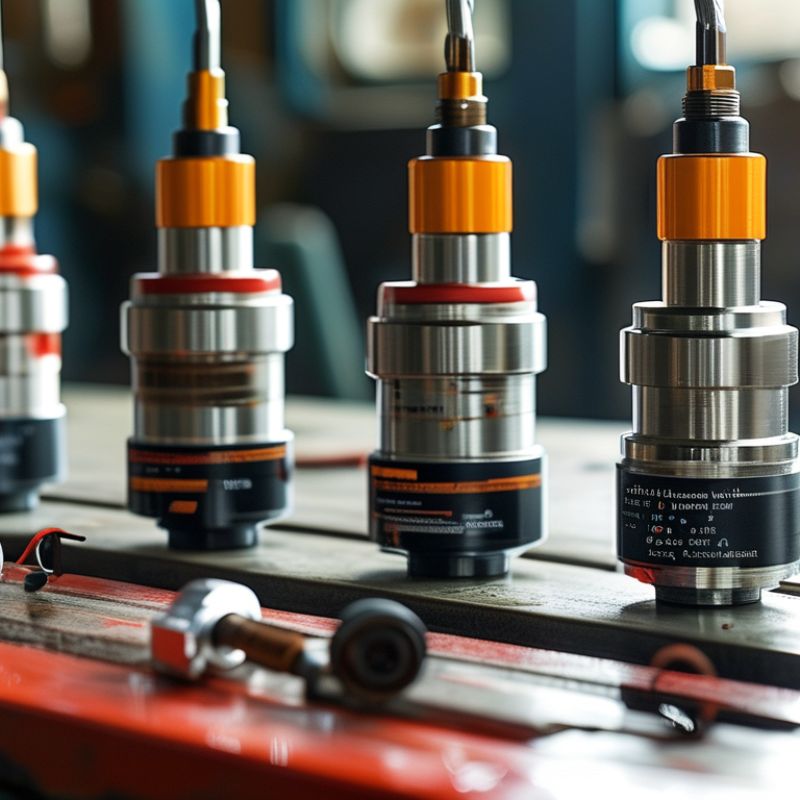
Rotary torque sensors are vital tools in various applications. Understanding their basic functions can help you choose the right one. These sensors measure the torque of rotating objects. They provide real-time data, crucial for improving machine efficiency. Knowing how they work can ensure better performance in your operations.
Several factors influence the effectiveness of torque sensors. First, consider the application and environment. Different sensors work better under specific conditions. Sensor size and mounting options are also important. A poorly matched sensor may not deliver accurate results. Precision is key for effective torque measurement. An ill-fitting sensor can lead to significant errors.
It's essential to evaluate the sensor's specifications carefully. Details like measurement range and sensitivity matter. A common mistake is to overlook the calibration requirements. Proper calibration can significantly enhance data accuracy. Regular maintenance of these sensors is often neglected. This can lead to unreliable readings over time. Understanding these aspects is vital for choosing the right rotary torque sensor.
Key Factors to Consider When Selecting a Rotary Torque Sensor
When selecting a rotary torque sensor, consider the application. Different industries require various specifications. For automotive testing, you need high accuracy. In contrast, manufacturing processes may prioritize durability. Understand the torque range you will measure. Exceeding the sensor's limits can cause damage. Look for models with appropriate load ratings.
Another crucial factor is the sensor's output signal. Common types include voltage, current, and digital outputs. Ensure compatibility with your data acquisition system. Analyze the environment where the sensor operates. High temperatures or moisture can affect performance. Selecting the right materials can enhance reliability.
Review the calibration process of the sensor. Some models offer easy recalibration, which is vital for long-term accuracy. It's essential to assess previous user experiences. Gather feedback to avoid common pitfalls. A sensor's reputation within the industry can hint at its reliability. In the end, a thoughtful choice can significantly impact your project's success.
Ultimate Tips for Choosing the Right Rotary Torque Sensor
When choosing the right rotary torque sensor, consider key factors such as sensitivity, temperature range, response time, calibration requirements, and overall cost. This chart illustrates the importance of each factor in the selection process.
Types of Rotary Torque Sensors and Their Applications
Rotary torque sensors come in various types, each designed for specific applications. Strain gauge-based sensors are commonly used in industrial settings. They measure torque by detecting the deformation of a material under load. This method provides high accuracy and reliability, making it a popular choice. However, they may require calibration and could be sensitive to temperature changes.
Another type is the magnetoelastic torque sensor. These sensors use magnetic fields to measure torque efficiently. They are often used in automotive applications, where robust performance is crucial. Despite their advantages, they can be more expensive and complex than strain gauge options. Understanding the strengths and limitations of each type is essential for making informed decisions.
Optical torque sensors have gained popularity due to their precision. They utilize light to measure torque, which reduces interference from environmental factors. Such sensors are ideal for research and development purposes. However, their sensitivity may pose challenges in unstable environments. Careful analysis of the sensor requirements is vital for choosing the right type.
How to Evaluate Accuracy and Sensitivity in Torque Sensors
Choosing the right rotary torque sensor requires a thorough evaluation of its accuracy and sensitivity. Accuracy is crucial because it directly impacts performance. A sensor that consistently gives incorrect readings can lead to significant errors in operation. It's vital to look at the specifications and error margins provided by manufacturers. This information can help gauge how well a sensor will perform in real-world applications.
Sensitivity is another important metric. A sensor with high sensitivity can detect even small changes in torque. This quality is essential for tasks requiring fine adjustments. Testing under various loads can provide insight into a sensor's performance. However, sensitivity can sometimes come at the cost of precision. So, striking a balance between these two factors is necessary.
When selecting a sensor, hands-on evaluations can be revealing. Try different models to understand their feel and performance. This experience may uncover issues not visible on paper. Additionally, seeking advice from industry experts can provide valuable perspectives. Engaging with professionals can highlight common pitfalls in sensor selection. This collaborative approach ensures a well-rounded decision.
Maintenance and Calibration Tips for Optimal Sensor Performance
Proper maintenance and calibration are essential for the optimal performance of rotary torque sensors. Regular checks can prevent errors and extend sensor life. A common practice is to inspect connections and cables for wear or corrosion. This should be a routine part of your maintenance schedule. Calibration should occur at regular intervals or when discrepancies in measurements arise.
Calibration involves comparing sensor readings against known standards. Ensure that the equipment used for calibration is calibrated itself. Many users overlook this aspect, leading to inaccurate readings. Even slight deviations can result in substantial miscalculations, affecting overall system performance. Failure to calibrate often leads to costly downtime and repairs.
Documentation plays a critical role in maintenance and calibration. Keep detailed logs of all maintenance activities. This includes dates, findings, and any parts replaced. A well-maintained record can help identify patterns or recurring issues. Regular reviews of this data can highlight areas in need of improvement. Ignoring these aspects may result in unexpected sensor failures, impacting productivity.

 sales@loadcellsensor.com