Leave Your Message
banner_21

10 Tips for Choosing the Right Inline Load Cell?

Choosing the right Inline Load Cell can significantly impact measurement accuracy and operational efficiency. The International Society of Automation (ISA) reports that optimal load cell selection is crucial for industries relying on precise weight measurements. These devices are fundamental in sectors like manufacturing, packaging, and logistics, where even minor discrepancies can lead to substantial financial losses.

Understanding the specifications and applications of Inline Load Cells is essential. According to a report by Research and Markets, the global load cell market is projected to reach $4.2 billion by 2026, emphasizing the need for informed choices. However, many users overlook critical factors when making their selection. This oversight can lead to errors in weight calibration and affect overall system performance.

In this increasingly competitive marketplace, relying on expert knowledge is vital. Not all Inline Load Cells are created equal; each type serves unique applications. Considering your specific needs can make a difference between efficiency and setbacks. Thus, thorough research and wise decision-making are necessary to optimize investment in these essential tools.
10 Tips for Choosing the Right Inline Load Cell?

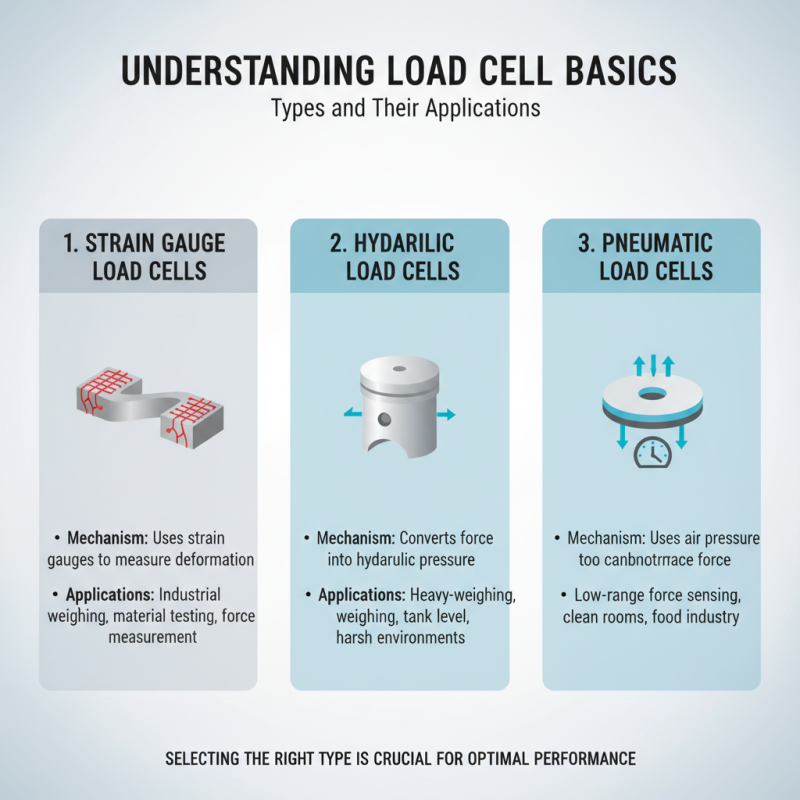
Understanding Load Cell Basics: Types and Their Applications
10 Tips for Choosing the Right Inline Load Cell?

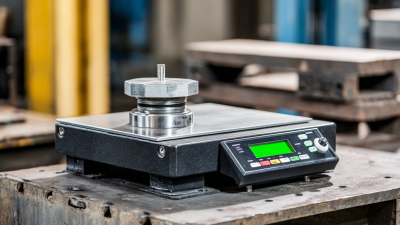
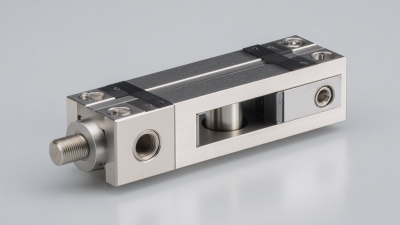
When selecting an inline load cell, it's essential to understand the different types available and their applications. Load cells are crucial in various industries for measuring force or weight. The most common types include strain gauge load cells, hydraulic load cells, and pneumatic load cells. Each type has a unique mechanism that affects performance under different conditions.

Strain gauge load cells are the most popular, accounting for about 80% of the market. They operate through the deformation of a material when a load is applied. This type is well-suited for precision weighing applications, like in laboratories and manufacturing. Hydraulic and pneumatic load cells are often used in heavy industries. For example, hydraulic load cells can handle large loads and are common in construction.

Industry reports indicate that proper load cell selection can improve operational efficiency by up to 30%. However, many users struggle with installation and calibration, which can lead to inaccuracies. Continuous training and proper setup protocols are necessary to ensure optimal performance. Some users ignore maintenance, resulting in unexpected downtimes. Regular checks can prevent significant issues and prolong the equipment's lifespan.
Factors Affecting Load Cell Accuracy: Resolution and Calibration

When selecting an inline load cell, understanding the factors affecting its accuracy is crucial. Two key aspects are resolution and calibration. Resolution defines the smallest weight change a load cell can detect. Higher resolution allows for more precise measurements, which is essential in sensitive applications like pharmaceutical or aerospace industries. Ensuring your load cell meets the resolution needs cannot be underestimated.

Calibration is equally important. Regular calibration involves adjusting the load cell to ensure it provides accurate readings. Neglecting calibration can lead to discrepancies, impacting overall performance. It’s vital to establish a routine calibration schedule based on usage frequency and accuracy requirements. However, calibration can be complex and might require professional expertise. Users often overlook this, leading to misunderstandings about their equipment’s capabilities.

To maintain reliability, monitor environmental conditions. Factors like temperature and humidity can affect load cell performance. Documenting these conditions during use helps identify potential issues. Users should reflect on their workflows, as they often inadvertently create environments that challenge load cell accuracy. Balancing these factors is key to ensuring optimal functioning.

Factors Affecting Load Cell Accuracy

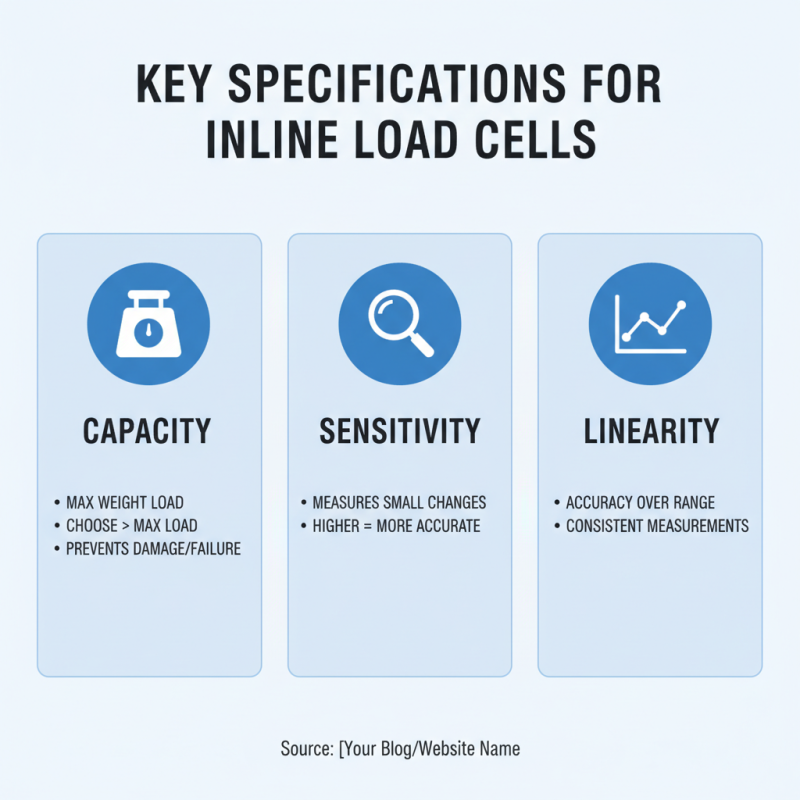
Key Specifications to Consider: Capacity, Sensitivity, and Linearity

10 Tips for Choosing the Right Inline Load Cell?

When selecting an inline load cell, capacity, sensitivity, and linearity are pivotal specifications. The capacity determines how much weight the load cell can handle. Choosing one with a capacity higher than your maximum load is essential. This prevents damage and ensures longevity. A load cell rated too low may lead to inaccurate measurements or outright failure.

Sensitivity measures how much the load cell's output changes with weight. A higher sensitivity means better performance, especially for low-load applications. However, extreme sensitivity can also introduce noise and fluctuations. Balancing accuracy and stability is key. For instance, in a delicate weighing application, too much sensitivity may become problematic.

Linearity reflects how well a load cell's output correlates to the applied load across its range. Ideally, the output should form a straight line when graphed against the load. A non-linear response could lead to measurement errors. Testing calibrates the device for accuracy. Each specification interacts, making the choice complex. Achieving the right balance requires careful evaluation and sometimes trial and error.

Material Selection for Inline Load Cells: Durability and Environment

When selecting inline load cells, durability and environmental factors are crucial. Load cells often face various conditions, from extreme temperatures to corrosive environments. According to industry research, over 30% of load cell failures relate to material issues. Thus, choosing the right materials can significantly extend the load cell's lifespan and reliability.

Steel and aluminum are common choices for load cell construction. Steel offers strength and resilience. However, aluminum is lighter and more resistant to corrosion. In specific applications, materials like stainless steel may be preferable, especially in harsh environments. Remember, the choice should reflect operational demands. If moisture is a factor, look for encapsulated designs.

Consider the following tips when making your selection. Ensure materials comply with relevant industry standards. Take environmental conditions seriously. Assess not only the load requirements but also external pressures. Explore advanced materials, such as polymers, for special applications. Research suggests that lightweight materials can reduce installation costs and improve accuracy. Every application is unique; some may thrive on traditional materials while others require innovation. Always weigh your options carefully.

10 Tips for Choosing the Right Inline Load Cell

Tip Description Material Selection Considerations Durability Factors Environmental Compatibility
1 Assess application requirements. Consider load range and capacity. Check for wear resistance. Determine exposure to chemicals.
2 Choose the right material. Stainless steel vs. aluminum. Consider fatigue resistance. Evaluate temperature tolerance.
3 Evaluate installation environment. Consider humidity and dust levels. Assure protection from corrosion. Assess resistance to moisture ingress.
4 Check for certification standards. Look for compliance with industry standards. Durability certificates can help. Ensure suitable IP rating for conditions.
5 Analyze operational temperature range. Select appropriate temperature ratings. High and low-temperature performance. Consider thermal expansion values.
6 Review mechanical properties. Strength and resiliency of materials. Evaluate load cycles resistance. Analyze vibration resistance as needed.
7 Consider size and footprint. Fit within equipment design constraints. Space limitations may dictate choice. Confirm allowable installation dimensions.
8 Evaluate installation complexity. Assess wiring and calibration requirements. Simplicity can reduce long-term costs. Ensure environmental accessibility.
9 Seek expert recommendations. Consult with professionals for insights. Leverage years of experience in choice. Mitigate possible misapplications early.
10 Plan for future upgrades. Choose adaptable solutions. Durability will matter with time. Ensure materials remain viable.

Installation Considerations for Optimal Performance: Alignment and Mounting

When it comes to installing an inline load cell, alignment is critical. A misalignment can lead to inaccurate measurements and even equipment failure. Ensure the load cell is positioned parallel to the load axis. Small adjustments can make a significant difference. For optimal performance, the load should act centrally on the cell. Any eccentric load can result in erroneous readings and potential damage.

Mounting is equally important. Use robust materials that can withstand the forces applied. The surface must be clean and free from contaminants. If the mounting surface is uneven, it can create stress points on the load cell. Always check for any form of distortion after installation. Consistent monitoring helps identify issues early. Failure to address alignment and mounting can lead to significant operational inefficiencies. Be vigilant during the installation process to ensure long-term reliability.