Top Load Sensor Tips for Reliable Measurements in Your Industry?
Load sensors play a crucial role in various industries, ensuring accurate measurements and reliable data. Their functionality can directly influence operational efficiency and safety. Understanding how to optimize these sensors is essential for achieving consistent results.
In many applications, load sensors experience challenges related to accuracy, environmental conditions, and mounting practices. These issues can lead to inaccurate readings, which may result in costly errors. Industry professionals must recognize these potential pitfalls to enhance the reliability of their measurements.
Implementing best practices for load sensor installation and maintenance can significantly improve outcomes. This includes calibrating sensors regularly and using them within specified limits. Small missteps can lead to significant discrepancies in measurement. Thus, reflecting on current processes can yield valuable insights for future improvements.
Understanding Load Sensors and Their Importance in Industry
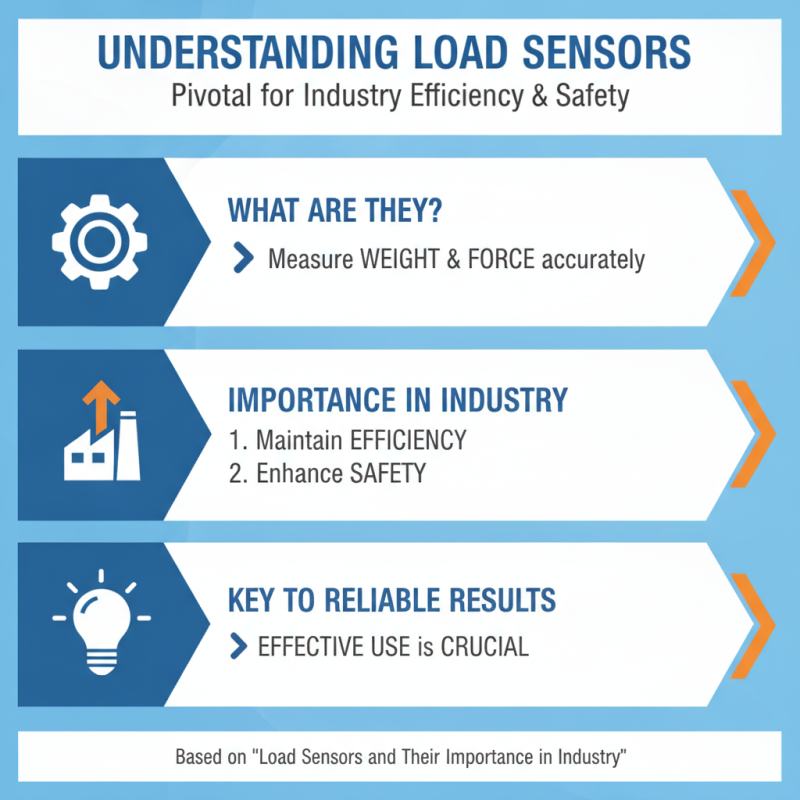
Load sensors play a pivotal role in various industries. They measure weight and force accurately, helping businesses maintain efficiency and safety. Understanding how to use these sensors effectively is crucial for achieving reliable results.
One important tip is to ensure proper calibration. Regular calibration of load sensors enhances measurement accuracy. If not calibrated correctly, the readings can lead to significant errors. Periodic checks are essential to maintain performance.
Another consideration is the environmental conditions. Factors like temperature and humidity can affect sensor readings. Protecting sensors from extreme conditions improves reliability. Additionally, using adequate mounting techniques can prevent mechanical issues. A poorly mounted sensor can yield inconsistent data, causing operational setbacks.
While load sensors provide valuable data, always question their outputs. Unexpected readings may indicate underlying issues in your measurement system. Analyzing these discrepancies can lead to insights into potential improvements. Stay vigilant, and fine-tune your processes to ensure accuracy in your measurements.
Key Factors Affecting Load Sensor Accuracy and Reliability
Load sensors play a crucial role in various industries, but their accuracy and reliability can be affected by several factors. According to a report by the National Institute of Standards and Technology, temperature fluctuations can cause significant measurement errors, with up to 0.5% drift for every 10°C change. Calibration is essential to mitigate this risk. Regularly calibrating sensors can ensure consistent performance, adapting to environmental changes.
Another critical factor is mechanical stress. Load sensors need to be installed correctly to avoid misalignment. Misalignment can lead to erroneous readings and can reduce sensor lifespan. It's crucial to use proper mounting techniques. A well-aligned sensor can provide measurements with an accuracy rate of over 99%, as per the International Society of Automation.
Tips for maintaining reliable measurements include regularly inspecting your sensors for wear and tear. Replace any components that show signs of damage. It is also vital to shield sensors from excessive vibration. Vibration can interfere with the accuracy of measurements and lead to costly errors. Proper environmental controls help enhance the longevity and reliability of load sensors. Taking these precautions can significantly improve measurement reliability across various applications.
Common Calibration Techniques for Load Sensors in Industrial Settings
Calibrating load sensors is essential for accurate measurements in industrial environments. Regular calibration helps maintain measurement precision, especially in high-demand sectors like manufacturing and logistics. According to recent industry reports, over 30% of load sensor errors stem from improper calibration techniques. Such inaccuracies can lead to costly operational decisions.
Common calibration techniques include static and dynamic testing. Static testing involves applying a known weight to the sensor and comparing the reading to the standard. Dynamic testing, on the other hand, measures the sensor’s response to varying loads. Data shows that dynamic testing can provide insights into sensor behavior under real-world conditions. However, many operators overlook these practices, leading to inconsistent results.
Industry standards suggest that load sensors should be calibrated at least once a year. Despite this, a significant number of facilities fail to adhere to this guideline. This oversight can result in reliability issues and flawed data for critical processes. It is imperative to integrate regular checks and balances to ensure optimal sensor performance. Reliable measurements can significantly enhance operational efficiency and help in maintaining safety standards across the board.
Analyzing Environmental Factors Impacting Load Sensor Performance
Environmental factors play a crucial role in the performance of load sensors. Temperature fluctuations can influence measurement accuracy. High humidity levels may lead to corrosion or shorts in sensors, affecting reliability. This is particularly important in industries like construction or agriculture, where sensors are exposed to harsh conditions.
One tip for ensuring reliable measurements is to shield sensors from extreme weather. Protective enclosures can help mitigate direct exposure. Regular calibration is also vital. It ensures that sensors remain accurate despite environmental changes. Additionally, monitor the installation site for potential hazards. Knowing the specific conditions around your sensors can prevent unexpected failures.
Another consideration is electrical interference. Nearby equipment may create fluctuating signals, leading to inaccurate data. It’s recommended to maintain a safe distance between sensors and potential sources of interference. Proper grounding methods can also help. If issues persist, it may indicate a need for more advanced sensors. Regular inspections can reveal patterns in sensor performance. They help identify when and why failures occur, prompting timely adjustments.
Top Load Sensor Performance Analysis by Environmental Factors
Best Practices for Maintaining Load Sensors for Consistent Data Outputs
Maintaining load sensors is crucial for consistent data outputs. Regular calibration is key. This ensures that sensors provide accurate readings. Calibration may vary depending on the application, so tailored approaches are essential. Weekly checks can help prevent drift and inaccuracies.
Environmental factors often impact sensor performance. Dust, moisture, and temperature fluctuations can lead to erroneous data. Using protective housings can mitigate these issues. Additionally, periodic inspections for physical wear and tear are vital. If any issues are detected, addressing them quickly reduces downtime.
Documentation of all maintenance activities is important. It helps identify patterns or recurring issues. This practice not only improves reliability but also builds trust in your measurement systems. Data integrity is non-negotiable. Regular reflection on maintenance processes allows for continuous improvement. Your commitment to maintaining load sensors translates directly into enhanced operational efficiency.
Top Load Sensor Tips for Reliable Measurements in Your Industry
| Tip |
Description |
Frequency of Maintenance |
Recommended Tools |
Expected Outcome |
| Calibration |
Regularly calibrate sensors to ensure accurate measurements. |
Every 6 months |
Calibration weights, multimeter |
Improved measurement accuracy |
| Cleaning |
Remove dust and debris to avoid interference with load measurements. |
Monthly |
Soft cloth, cleaning solution |
Consistent data output |
| Environmental Monitoring |
Ensure sensors are not subjected to extreme temperatures or humidity. |
Continuous |
Thermometer, hygrometer |
Reliable performance |
| Wiring Inspection |
Check electrical connections to prevent signal loss. |
Quarterly |
Screwdriver, wiring tester |
Reduced downtime |
| Documentation |
Keep a log of maintenance activities for tracking performance. |
Ongoing |
Maintenance log book |
Enhanced accountability |

 sales@loadcellsensor.com