Top Reaction Torque Sensor Trends for 2026 What Buyers Need to Know
The market for Reaction Torque Sensors is on the brink of significant advancements by 2026. Industry reports indicate a growing demand for precise torque measurements in automotive, aerospace, and manufacturing sectors. As these industries evolve, the need for reliable data becomes paramount.
According to a recent analysis by MarketsandMarkets, the Reaction Torque Sensor segment is expected to reach $350 million by 2026. This growth highlights the essential role of these sensors in improving operational efficiency. A shift towards automation and smart manufacturing is driving investments in precision tools, placing Reaction Torque Sensors in the spotlight.
However, buyers need to be aware of potential challenges. Not all sensors offer the same level of accuracy or durability. Factors such as calibration, environmental conditions, and application specifics can impact performance. Understanding these variables is crucial for making informed purchasing decisions. Proper research and consideration of these elements will ensure the right fit for specific applications.
Emerging Technologies in Reaction Torque Sensors by 2026
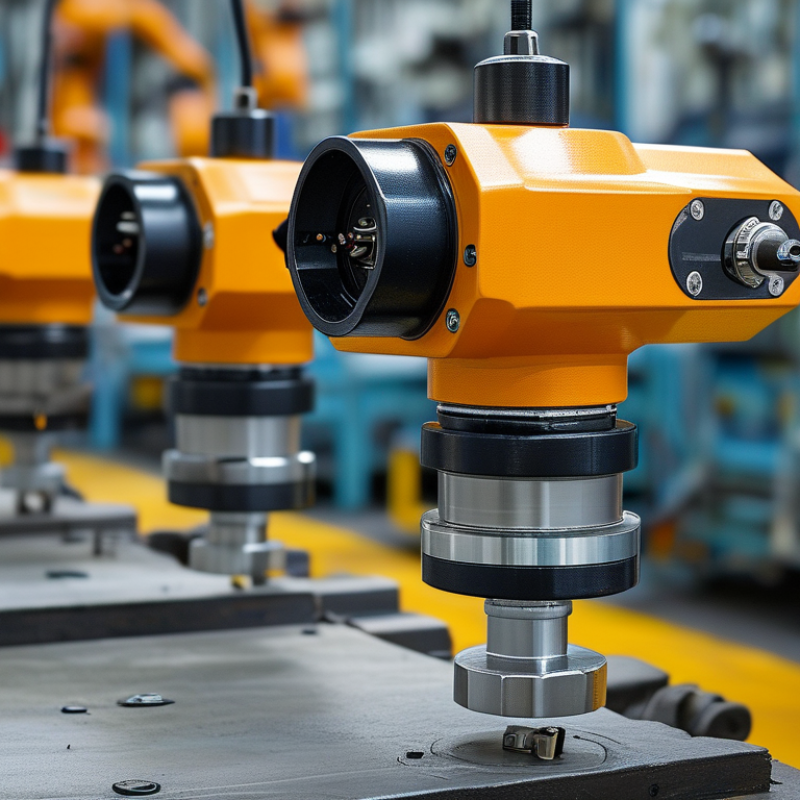
The field of reaction torque sensors is evolving rapidly. By 2026, several emerging technologies are set to redefine their applications. Advanced materials will enhance durability, making sensors more reliable in demanding environments. For instance, the use of composite materials can reduce weight while maintaining strength. This shift is crucial for industries requiring lightweight solutions without compromising performance.
Another trend is the integration of IoT capabilities into these sensors. Smart sensors with connectivity options are gaining traction. They can offer real-time monitoring and remote diagnostics. This functionality can streamline operations in varied fields, from automotive to aerospace. However, as innovation accelerates, challenges such as data security and device compatibility emerge. These concerns require careful consideration from buyers who are investing in next-generation technology.
Moreover, machine learning algorithms are being incorporated into sensor data analysis. This can enhance the accuracy of torque measurements and predict potential failures. However, the complexity of these systems might pose a barrier for some users. Ensuring user-friendly interfaces will be vital as these technologies develop. Addressing these challenges will be key for buyers seeking robust solutions in an increasingly sophisticated market.
Top Reaction Torque Sensor Trends for 2026
This chart illustrates the projected market trends for reaction torque sensors up to 2026, highlighting key technological advancements and demand across various applications.
Key Market Drivers Influencing Torque Sensor Development
The torque sensor market is rapidly evolving, driven by several key factors influencing development. Technological advancements and the demand for precision in various industries are reshaping the landscape. According to industry reports, the global torque sensor market is projected to reach $XX million by 2026, with a compound annual growth rate (CAGR) of XX%. This growth is largely tied to the automotive and aerospace sectors, where accuracy in torque measurement is paramount.
In addition to technological innovation, the increasing focus on automation is propelling demand. Businesses are investing significantly in automated systems that require high-performance torque sensors for optimal functioning. By 2026, it is anticipated that the integration of torque sensors in smart manufacturing processes will redefine operational efficiency. Many companies are still grappling with outdated systems, which may hinder their competitiveness.
Data suggests that environmental regulations are pushing industries toward more sustainable practices. As manufacturers seek compliance, the role of torque sensors in monitoring energy consumption and mechanical performance becomes crucial. While many players are adapting, a number of organizations remain unaware of the potential benefits these sensors can offer. Consistent education and awareness campaigns are needed to bridge this knowledge gap. Adapting to these trends can enhance operational capabilities and future-proof businesses.
Buyer's Guide: Evaluating Torque Sensor Features and Specifications
Choosing a torque sensor can be challenging due to the diverse features and specifications available. The global torque sensor market is projected to reach $2.8 billion by 2026, driven by advancements in technology and increasing automation. Buyers must consider key parameters such as accuracy, range, and sensitivity. A sensor’s accuracy is crucial; a deviation of just 1% can significantly impact outcomes in precision-driven industries.
Additionally, the mounting options and size are essential factors. Different applications may require compact sensors that fit in tight spaces. Understanding load types, such as static or dynamic, plays a role in selecting the right sensor. Many users overlook these aspects, possibly leading to inefficiencies. Moreover, interfacing options, like analog versus digital outputs, affect how data is transmitted and processed.
Reliability is another key consideration. According to recent studies, over 80% of users report sensor failure due to improper calibration or environmental factors. A torque sensor must operate effectively in the intended conditions. Nonetheless, manufacturers often provide guidelines, but following them can be more complex than expected. Buyers should prioritize thorough testing and validation before making final decisions.
Sustainability Trends Impacting Reaction Torque Sensor Manufacturing
Sustainability continues to reshape the manufacturing landscape of reaction torque sensors. As manufacturers seek greener practices, materials play a crucial role. This includes using recycled metals and biodegradable components. These choices reduce waste and promote a circular economy.
The energy consumption in production processes is another focal point. Companies are investing in energy-efficient technologies to minimize their carbon footprint. However, the transition to these technologies requires upfront investment. Many manufacturers may struggle with balancing short-term costs and long-term sustainability goals.
Moreover, the demand for transparency is rising. Buyers expect not only high-quality products but also a commitment to environmentally friendly practices. Manufacturers are encouraged to disclose their sustainability practices clearly. This helps build trust and aligns with consumer values. Crafting a sustainable approach is a journey filled with challenges, yet it's essential for future growth and competitive advantage.
Predicted Applications and Industries for Torque Sensors in 2026
In 2026, torque sensors will see a surge in various applications. Industries like automotive, aerospace, and robotics are expected to utilize these sensors extensively. Torque sensors will play a key role in enhancing vehicle safety and performance. They will monitor engine torque to optimize fuel efficiency. In aerospace, precision is crucial, and torque sensors will ensure the reliability of aircraft systems.
Manufacturing will also leverage torque sensors for better quality control. They improve assembly line safety by providing real-time feedback. This minimizes errors during production. In robotics, torque sensors will enhance the precision of robotic arms. This is vital for tasks that require careful manipulation.
When choosing torque sensors, consider the specific needs of your application. Look for sensors that offer high accuracy and durability. Ensure they can withstand harsh environments, especially in industries like oil and gas. Additionally, be aware of the calibration process. Frequent recalibrations can impact efficiency. Embracing these considerations will lead to better integration into your systems, ultimately boosting productivity.

 sales@loadcellsensor.com