Top 10 Load Sensors in China for Global Buyers in 2026?
In the evolving landscape of industrial automation, load sensors play a critical role in ensuring precision and safety in various applications. According to industry reports, the global load sensor market is projected to reach $3.4 billion by 2026, growing at a CAGR of 5.8%. This growth is driven by the increasing demand for advanced load measurement technology across sectors such as automotive, manufacturing, and logistics.
China, as a manufacturing powerhouse, hosts a diverse array of load sensor suppliers. The country produces over 35% of the world’s sensors, emphasizing its importance in the global supply chain. Load sensors are essential for applications ranging from weighing scales to structural health monitoring. With innovations emerging in digital load sensing technology, buyers must stay informed about quality, reliability, and technological advancements.
However, not all suppliers meet international standards. Issues such as inconsistent quality and lack of transparency pose challenges for global buyers. Evaluating the top ten load sensor manufacturers in China is vital. Understanding their strengths and weaknesses will help buyers make informed decisions. Selecting a reliable load sensor can significantly impact operational efficiency and safety.
Overview of Load Sensors and Their Importance in Global Trade
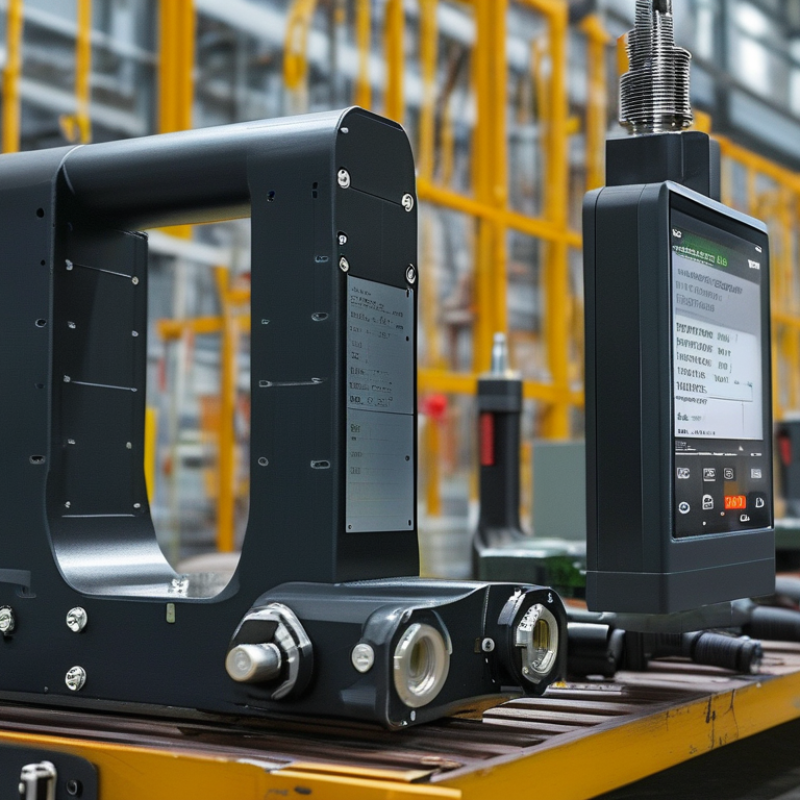
Load sensors play a vital role in various industries, enabling accurate measurement of weight and force. As global trade expands, these sensors are becoming increasingly important. According to a recent industry report, the global load cell market is projected to reach $3.3 billion by 2026. This growth demonstrates the rising demand for reliable measurement solutions.
In sectors like manufacturing and logistics, precise load measurements are essential. They ensure safety and efficiency in operations. A study shows that over 30% of shipping incidents are linked to improper load management. This highlights the need for high-quality load sensors. They can help prevent costly accidents and product damage.
As technology advances, load sensors are evolving. Innovations include wireless connectivity and improved accuracy. However, some products still lack optimal performance under extreme conditions. Users should be cautious when selecting sensors for their specific applications. Ensuring compatibility and reliability remains a challenge for many buyers in the market.
Key Factors to Consider When Selecting Load Sensors in China
When selecting load sensors in China, several key factors come into play. The accuracy and precision of the sensor are paramount.
Consider the environment where the sensor will be used. Temperature, humidity, and potential exposure to dust can affect performance.
Additionally, the sensor's capacity and range should match your specific application requirements.
Tips: Opt for sensors that offer detailed specifications. Look into the manufacturer’s quality control processes. This can give insights into product reliability.
Another important aspect is the response time of the sensor. A faster response can significantly enhance efficiency in applications like automation.
Ensure that the sensor is compatible with your existing systems. Connectivity options matter as well. Evaluate if the sensor supports various communication protocols.
Tips: Don’t overlook the importance of after-sales support. Check if the manufacturer provides comprehensive assistance. This can be vital for troubleshooting and maintenance.
Consider the cost against the quality offered. It’s easy to fall into the trap of choosing cheaper alternatives. However, investing in reliable sensors may save costs in the long run.
Reflect on the long-term implications of your choice. Ensure that the sensors you select have robust material and construction. This will enhance durability and reduce the frequency of replacements.
Top 10 Load Sensor Manufacturers in China for 2026
The load sensor market in China is rapidly expanding. Several manufacturers are gaining attention for their innovation and reliability.
These companies specialize in various applications, from industrial automation to medical devices. Their products are vital for accurate weight measurements and stress analysis.
Most manufacturers integrate advanced technology to enhance sensor performance. They focus on factors like precision, durability, and temperature stability.
Many of these companies have a strong reputation in both domestic and international markets. They often participate in global trade shows, showcasing their latest developments.
However, buyers should be cautious. Not all manufacturers maintain consistent quality. Some may cut corners to reduce costs.
Researching each company is essential to ensure product reliability. Look for customer feedback and case studies to gauge performance. This approach helps avoid potential pitfalls in the selection process.
Technological Advancements in Load Sensor Design and Functionality
Technological advancements in load sensors have significantly transformed their design and functionality. These sensors are increasingly compact, featuring advanced materials that enhance their sensitivity and durability. The integration of smart technology allows for real-time data transmission, enabling users to monitor load conditions remotely. This innovation provides greater accuracy in weight measurement, essential for various industrial applications.
Moreover, the use of machine learning algorithms in sensor technology is rising. These algorithms analyze data trends, predicting potential failures before they occur. However, the increased complexity can introduce challenges. Maintaining reliability often requires specialized knowledge and training. Users may find themselves having to adapt to new interfaces, which could initially seem daunting.
Environmental considerations are also driving changes in load sensor design. Manufacturers are exploring eco-friendly materials and energy-efficient operation. This shift is crucial as industries aim to reduce their carbon footprint. It's important to remain mindful of the balance between technological complexity and user-friendliness. Balancing innovation with practicality will be a recurring theme in the evolution of load sensors.
Market Trends and Future Projections for Load Sensors in Global Markets
The load sensor market is evolving rapidly. In 2026, global demand for load sensors is predicted to reach substantial growth. A recent report forecasts a CAGR of 6.5% from 2021-2026 in various sectors including automotive and industrial applications. This growth can be attributed to the increasing adoption of automation and smart technologies across industries.
China remains a dominant player in the load sensor manufacturing space. High production efficiency and lower costs contribute to competitive global pricing. Industries prioritize precision and reliability in load measurement. This trend is expected to continue as companies invest in upgraded sensor technologies. Moreover, the rise of e-commerce and logistics is fostering greater demand for accurate load sensors.
Tips: When selecting load sensors, consider the application environment. Ambient temperature and humidity can affect performance. Additionally, keep an eye on emerging technology. Smart load sensors with IoT capabilities are becoming more prevalent. Organizations must stay informed to adapt to market shifts. The future holds exciting innovations that may reshape how load sensors are utilized and implemented.
Top 10 Load Sensors in China for Global Buyers in 2026 - Market Trends and Future Projections
| Rank |
Load Sensor Type |
Max Load Capacity (kg) |
Accuracy (%) |
Temperature Range (°C) |
Projected Market Growth (%) |
| 1 |
Strain Gauge Load Cells |
500 |
0.1 |
-20 to 80 |
6 |
| 2 |
Load Pins |
300 |
0.05 |
-40 to 85 |
8 |
| 3 |
S-Beam Load Cells |
1000 |
0.2 |
-10 to 70 |
5 |
| 4 |
Tension Load Cells |
2000 |
0.15 |
-30 to 60 |
7 |
| 5 |
Compression Load Cells |
750 |
0.1 |
-20 to 80 |
9 |
| 6 |
Multi-Axis Load Cells |
500 |
0.2 |
-20 to 70 |
10 |
| 7 |
Force Sensors |
150 |
0.1 |
-10 to 60 |
12 |
| 8 |
Weighing Load Cells |
2000 |
0.5 |
0 to 40 |
5 |
| 9 |
Digital Load Cells |
500 |
0.2 |
-20 to 60 |
11 |
| 10 |
Submersible Load Cells |
250 |
0.3 |
-40 to 80 |
8 |

 sales@loadcellsensor.com